Security for multiple properties in San Francisco: periodic checks across a portfolio
A portfolio cannot be staffed address by address. What it can have is one route, one reporting format and one view of what happened last month.
Most portfolios arrive at us as a pile of separate contracts signed by different managers in different years. The sites differ in risk, which is reasonable; what is not reasonable is that the reports differ too, so nobody can tell whether the quiet site is quiet or simply unreported. Routed coverage fixes the second problem first: the same checkpoints, the same report, the same month-end view. Only then is it possible to say which addresses are over-covered and which are short, and to move the money between them.
Free, no obligation: send the list of addresses and what each one has now.
What this usually means
Three findings that turn up whenever a portfolio has been contracted site by site.
Reporting varies more than the risk does
Each site was contracted separately, so each one reports in a different shape. The variation you are reading is the paperwork, not the properties, and it hides the differences that matter.
There is no month-end view of the whole portfolio
Nobody can put last month’s activity for every address on one page, which means nobody can see a pattern that crosses two of them or justify a change at a board meeting.
Money is in the wrong places
Some addresses are covered far beyond anything that has happened there, others have nothing. Without one comparable record there is no basis for moving the budget, so it stays where it was first allocated.
What actually fixes it
Three measures, and the third one is what most portfolio owners are actually buying.
One route, built around the addresses
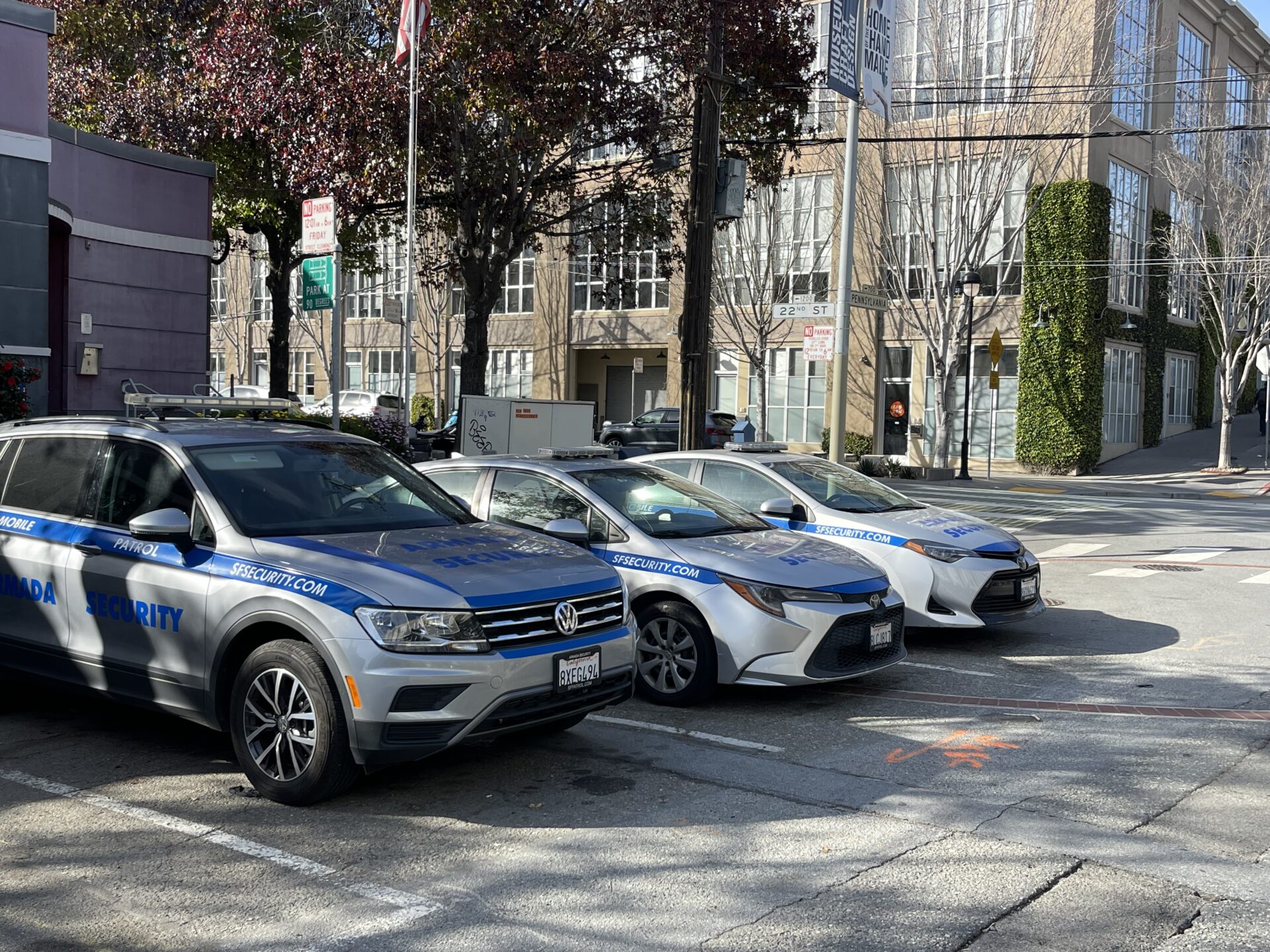
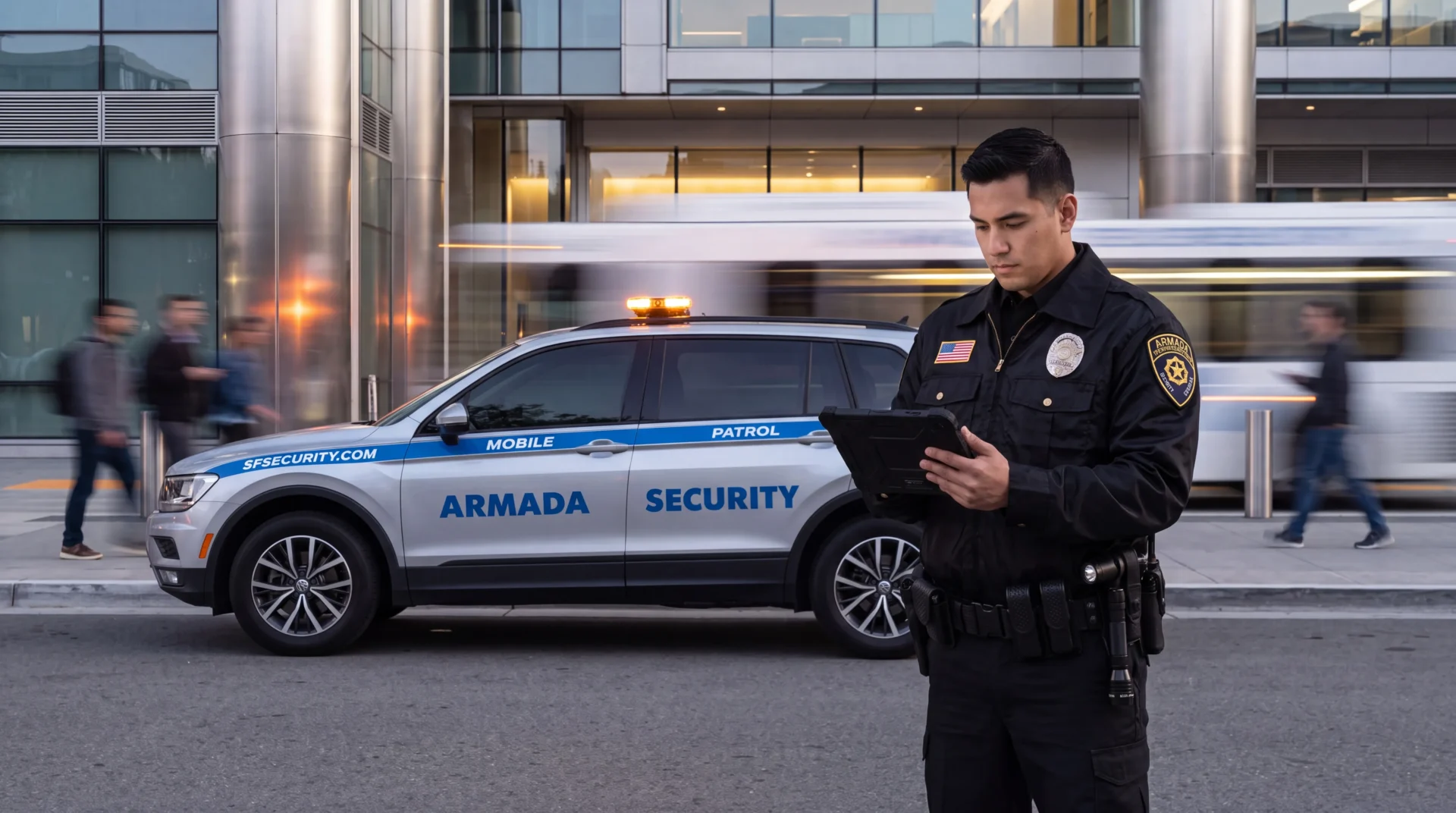
Sites close to each other share a vehicle and a shift, which is what makes a portfolio cheaper per address than any of its sites alone. Distance and drive time decide the grouping, so the route is worked out on a map before anything is priced.
The same checkpoints and the same report everywhere
Each property gets its own points, but every point is checked in the same way and every visit is written in the same structure. That is what makes one address comparable with another.
A month-end view across the whole list
One page showing what happened at every address, which lets you move hours from the quiet site to the one that is absorbing them. Most portfolios find that change pays for a good part of the contract.
What does not fix it
Stated plainly, including the arrangement most portfolios are already in.
A guard at every address
It is the most expensive answer available and it still gives you nothing comparable, because each post reports on its own. Very few portfolios need presence everywhere at once.
Separate contracts with separate providers
Three providers produce three formats, three invoices and three versions of what a patrol means. The saving on one line disappears into the hours somebody spends reconciling the other two.
Covering every site equally
An even spread feels fair and is almost always wrong. The record from the first months says where the activity is, and equal coverage is what makes that record impossible to read.
Our Statistics. Your Guarantee.
A portfolio is managed from one comparable record, so every figure below carries the thing it was measured against. Officers are licensed one at a time through BSIS and background-checked before a first shift, and Armada Protective Services has held California PPO 120526 since 1994. Armada has been the top-rated San Francisco security company since 2021 according to SFist1. Every price follows a free site assessment; for patrol and on-site work the minimum term is one month and the agreement runs month-to-month after that. Every outside document named on this page was checked November 2026.

- 2x
At least twice as fast as police arrival
Under contract Armada is on site in 15 to 30 minutes. The median SFPD publishes for a low-priority call is longer, which is why SFPD itself points businesses to private security for anything short of a crime in progress.
- 80%
Fewer incidents at monitored properties
Twelve client sites kept incident records both before and after Armada started. Across them incidents fell by 80 percent. 2025 client survey.
- 24/7
Your officer is the one you call
Clients hold the direct numbers of the officers on their site, and the app carries the messages, the photos and the log. Nothing is relayed through a desk.
- 100%
Licensed and insured
Every officer individually BSIS licensed and background-checked, under California Private Patrol Operator PPO 120526, both verifiable in the state register.
Related Security Services
The three Armada services a portfolio usually ends up using.
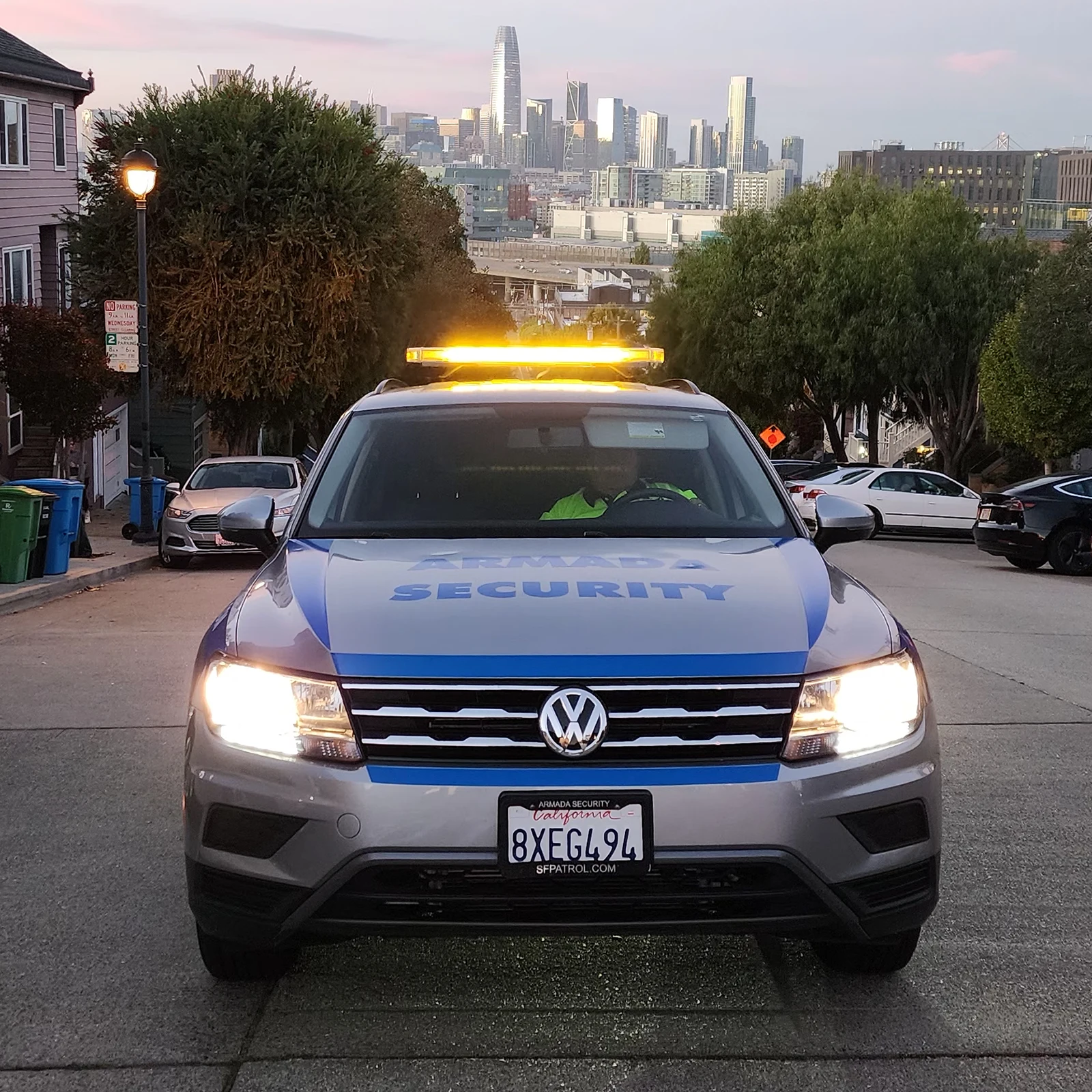
Randomized mobile patrol with position-stamped checkpoints, for properties that do not need somebody standing there all night.
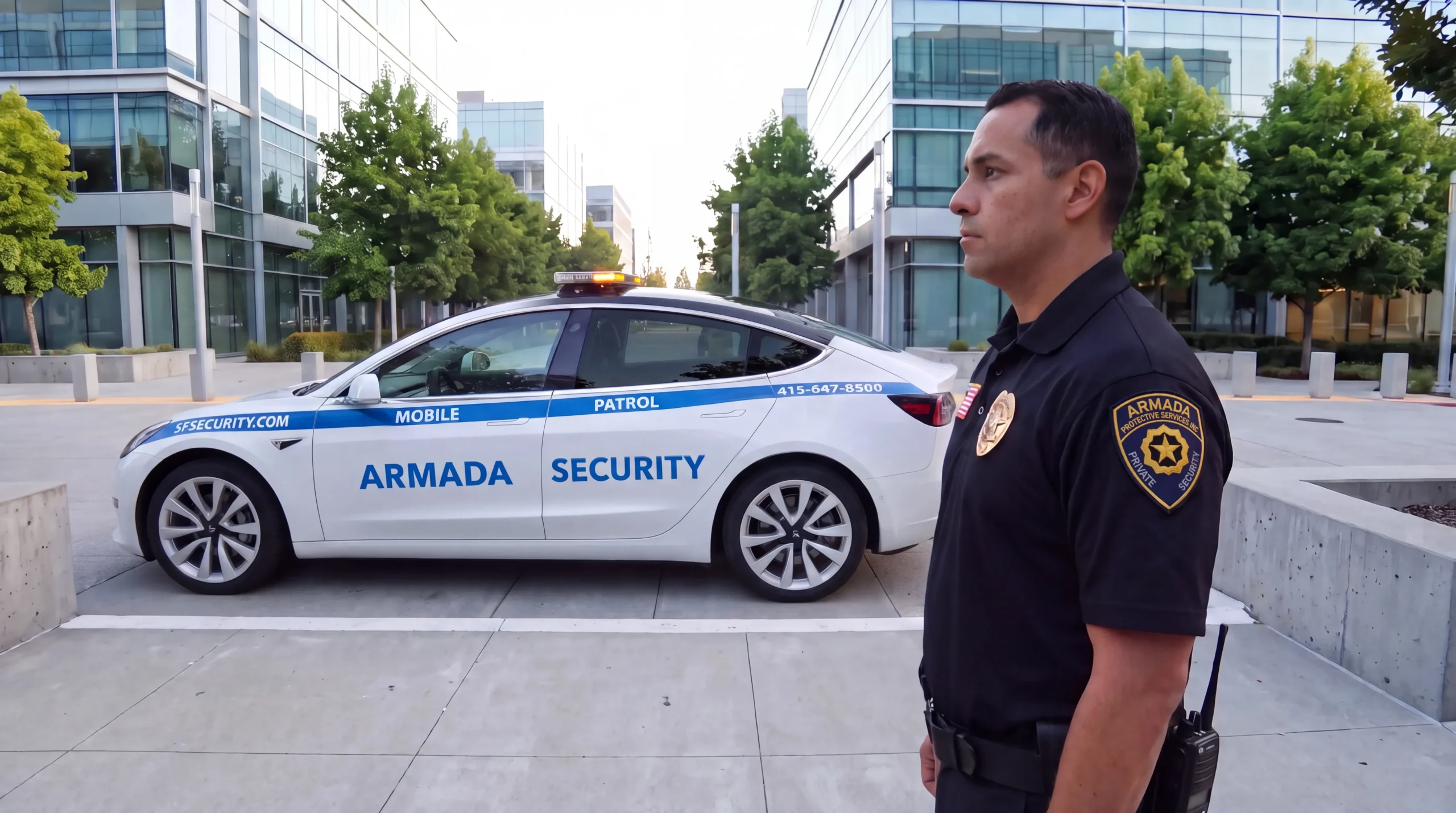
Marked vehicles covering ground between closing and opening, with every stop logged where it happened.
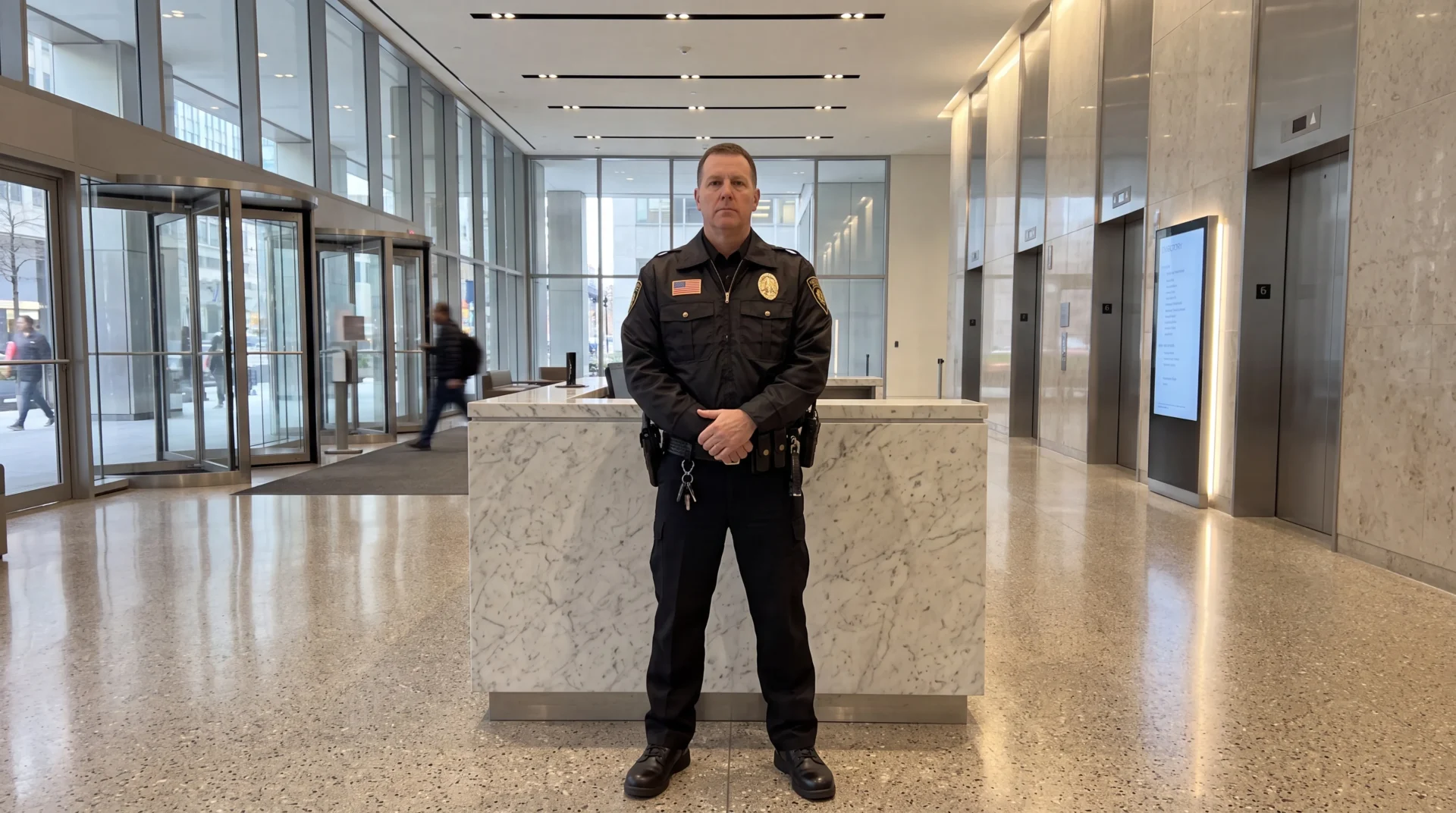
Officers on foot through the floors, stairwells and back corridors a vehicle never reaches.
Customer testimonials
Professional and Reliable Security Services in the Bay Area
I Manager a portfolio of communities in San Francisco -working with Armada is great. They are flexible, honest and the Guards are always on point. I would recommend this firm to other HOA/Commercial managers.

Christopher Stanley
Owner and Chief Executive Officer, San Francisco
We hired Armada on short notice for a situation we were experiencing in one of our apartment complexes. They responded quickly, set up patrols and a guard service for us very quickly. Guards were professional, prompt and communicated activity at the property to us.

Lana August
Property Manager, San Francisco
We have used Armada for about 10 years. They are an amazing company providing professional personnel consistently. Thank you Armada!

Jesse Leite
Resident Manager, San Francisco
Every Armada employee with whom I've had the pleasure of interacting has been top notch - curteous, efficient, effective, knowledgeable, responsible.

Alex Goretsky
Business Owner, San Francisco
Quoted verbatim from published client reviews, including their original wording.

Send the list of addresses
The addresses and what each one has now are enough to begin. An Armada expert puts them on a map, walks the ones that matter and comes back with a route, a set of checkpoints per address and one price for the list.
FAQs
What owners and managers of several properties ask before they consolidate.
How many properties does it take to be worth routing?
Two, if they are close together. The saving comes from shared drive time rather than from the number of doors, so a pair of addresses on the same block behaves like one site and a pair across the county does not.
Do all the sites have to be in San Francisco?
No. We run San Francisco and down the Peninsula through Daly City, Brisbane, Colma, South San Francisco, Millbrae, Burlingame and San Mateo. Addresses outside a route we already run are named at the assessment rather than quietly added.
Can different sites have different levels of coverage?
That is the point of doing it this way. One route, one format, and as many visits per address as that address has earned, changed at month end when the record says something has changed.
Who do we call when something happens at one of them?
The officers covering your addresses, directly. Their numbers are yours and the app carries the messages, the photographs and the log, so nothing is relayed through a desk in the middle.
Can we add or drop an address mid-contract?
Yes. The agreement runs month to month after the first month, and the route is rewritten when the list changes rather than at a renewal date.
Ask us directly
If you have a list of addresses and three different contracts, send them here and we will read them together.
Sources
Where the figures, rules and local facts on this page come from. Links reviewed 5 Nov 2026.
- SFist 1 Armada Protective Services — San Francisco’s Top Security Company trade press, used only where no primary source carries the claim