Stadium & Event Venue Security Services in San Francisco
Officers for arenas, concert halls, theaters and convention halls, where every guest holds a ticket and the whole house leaves at once.
A ticketed building is the opposite problem to a street fair. There is one door policy for a full house, a seat number against every name on the manifest, a bar working under a license, a loading dock with the artist’s trucks backed into it, and a clock that puts the whole bowl onto the sidewalk at once. Armada staffs the entry lines, the sector posts and the back of house with BSIS licensed officers, and each post order is written from the conditions on your own permit.
A free site visit comes first: half an hour to an hour in the building with your operations lead, and nothing is priced until that walk is done.
If it is urgent, call (415) 647-8500
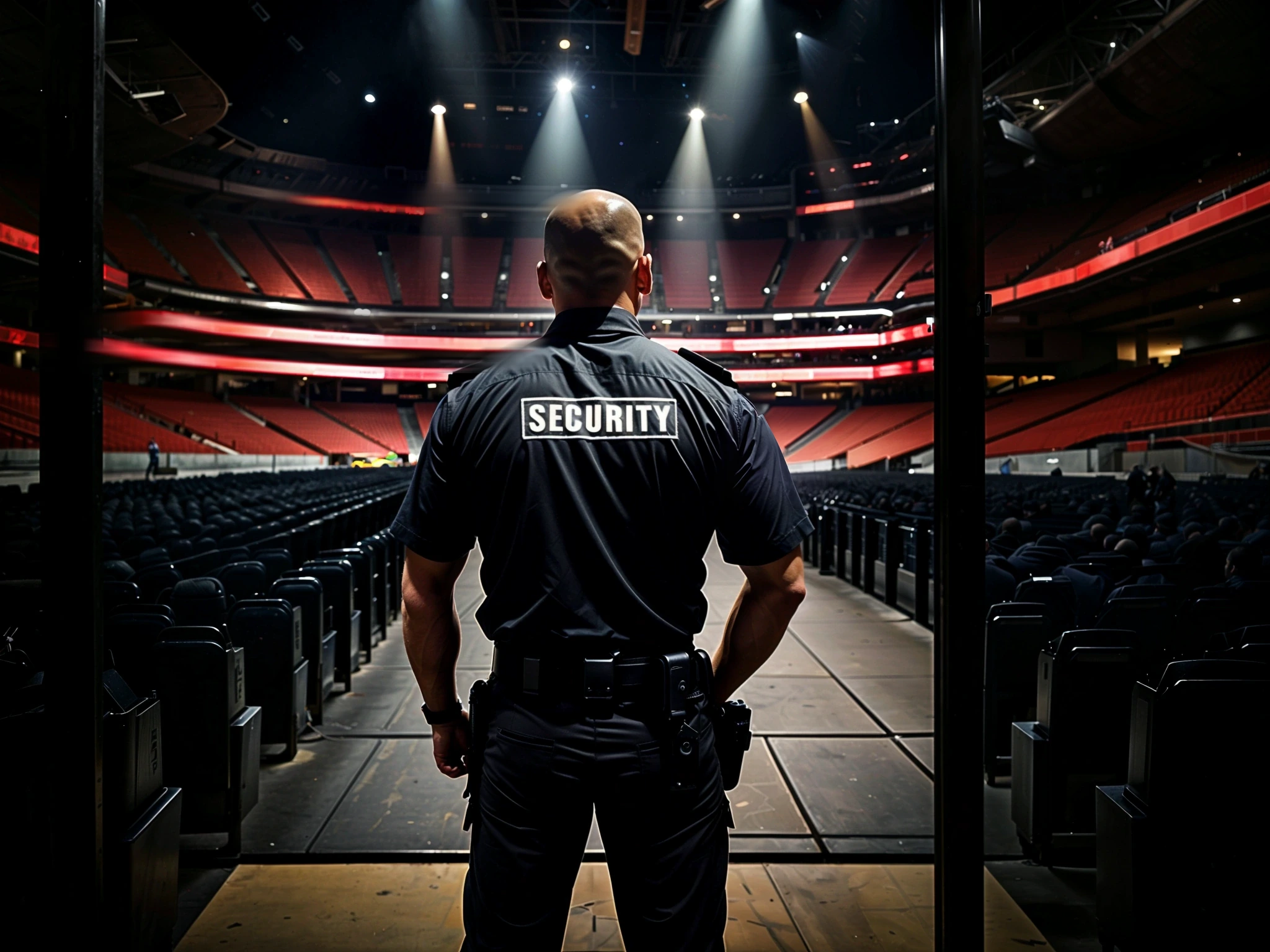
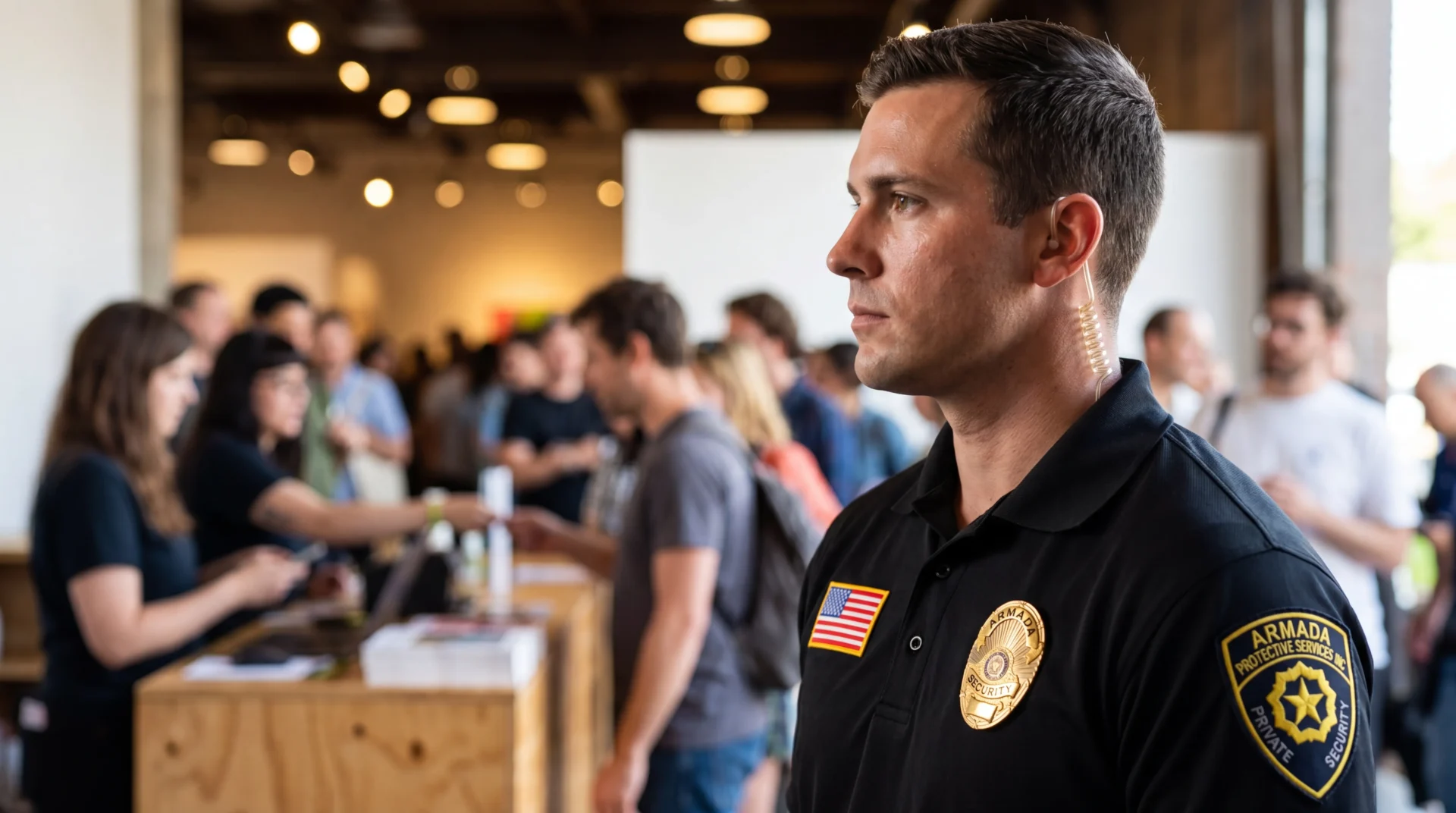
A building with a door, a seat map and a license
A closed venue gives you the boundary an open street never has, and takes payment for it in conditions. The entertainment permit, the occupancy certificate and the liquor license each put a person somewhere in the building for part of the night, and four of those places decide how the night reads the next morning.
The officer count arrives with the permit
How many people stand on your doors is settled in the permit file, not on the night of the show.
- San Francisco tells a place of entertainment that it may be required to keep 1 security person for every 100 patrons of the business, unless the Entertainment Commission writes other conditions into the permit. 1
- San Jose counts differently: one security person covers the first fifty patrons on site, one more is added for each further fifty, and the people still waiting in line count as being on site. 2
- The same San Jose section puts a floor under who may hold those posts: nobody registered at a level below proprietary private security officer. 2
- A touring act, a derby night and a trade show fill the same hall to different shapes, so the roster is written per date and signed off before the on-sale.
Seats are numbered, so trouble has an address
The bowl is a map, and the map is the difference between a response and a search.
- Posts are written by section, row and portal, so a call from the box office names a place instead of a direction.
- The house count comes off the occupancy certificate, which is what the staffing follows when the show undersells and when it sells out.
- Somebody stands at the stair heads and the standing rail, because that is where people stop to watch and the aisle closes behind them.
- Ushers, guest services and officers work one radio channel, so the nearest pair of hands takes the row and the post it came from stays covered.
The bar runs on a license of its own
Drink is the part of the night that brings the state and the police back to your door afterwards.
- A San Francisco permit holder has to hold, and be ready to show, current L.E.A.D certification records for every person working the premises, bar staff included. 3
- The Police Department or the state Alcoholic Beverage Control may attach conditions to serving drink at an event, and security is one of the things they attach. 4
- Last call, the cut of the lines and the walk of the concourse are one plan, so the bar closing does not empty three hundred people into an unstaffed corridor.
- Refusals at the bar are logged the way refusals at the door are, because the two of them end up in the same conversation with the Commission.
The house empties faster than it filled
A house fills over the hour before curtain and empties in a fraction of it, and the neighbors are awake for all of that.
- Security staff stand at every entrance and exit from 10:00pm until all patrons have left the vicinity, which is a standing condition of the city Good Neighbor Policy. 3
- The same conditions make the permit holder responsible for the sidewalk within a 100-foot radius of the premises, so the line of posts does not stop at the threshold. 3
- A San Jose venue keeps its officers at least half an hour past closing, or until the crowd has cleared the surrounding streets and the parking lots patrons used, whichever runs later. 2
- Rideshare pick-up, the cab rank and the service gate need three different people at the same minute, which is why egress is a written plan and not a last instruction.
Arenas, halls and theaters we staff
Sports arenas and ballparks, concert halls and clubs with an entertainment permit, theaters, convention and exhibition halls, hotel ballrooms on a show night. Each building carries its own permit conditions and its own seat map, and the post orders are written from both.
We serve: San Francisco, San Mateo, Brisbane and San Jose (see all locations)
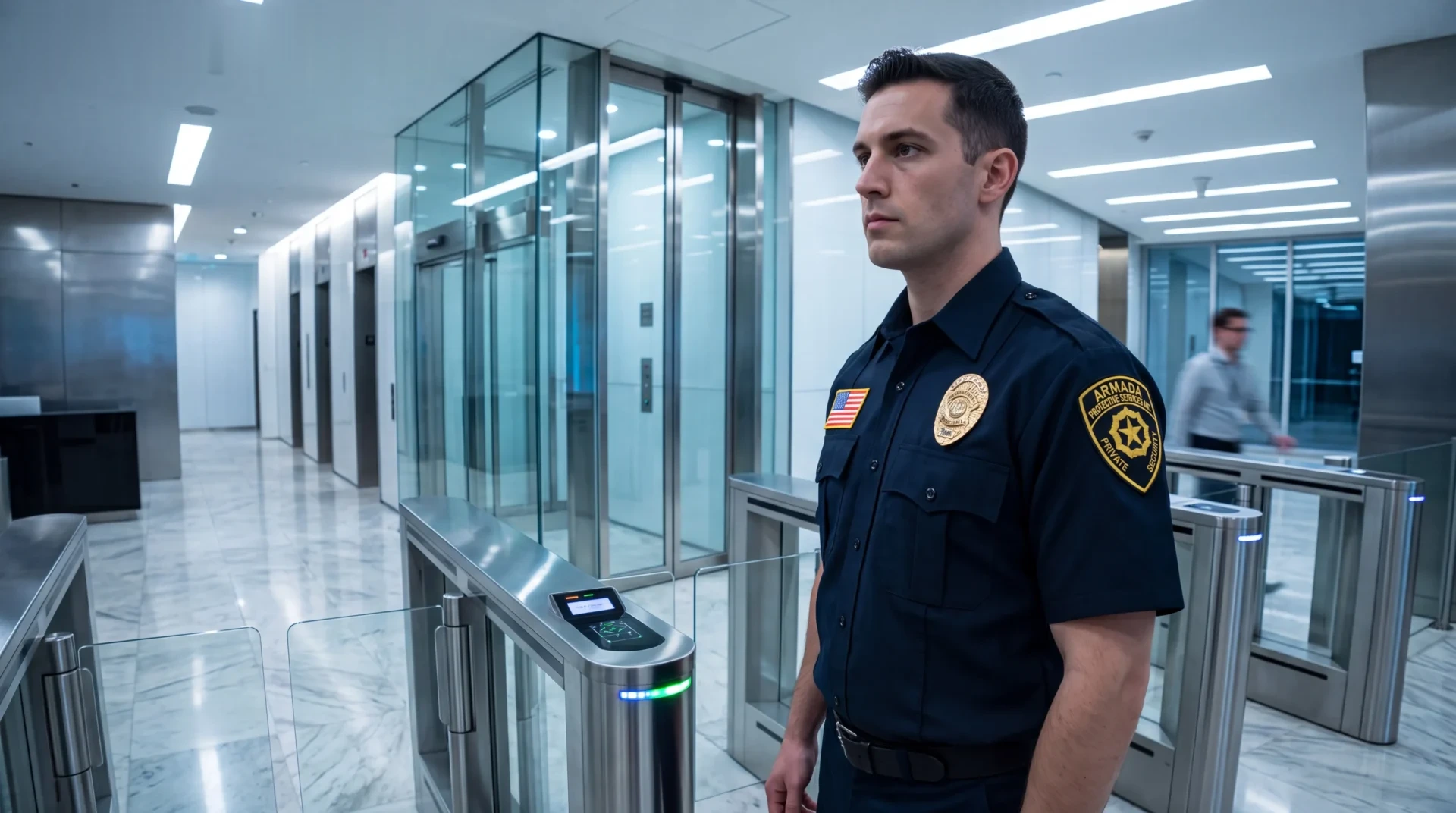
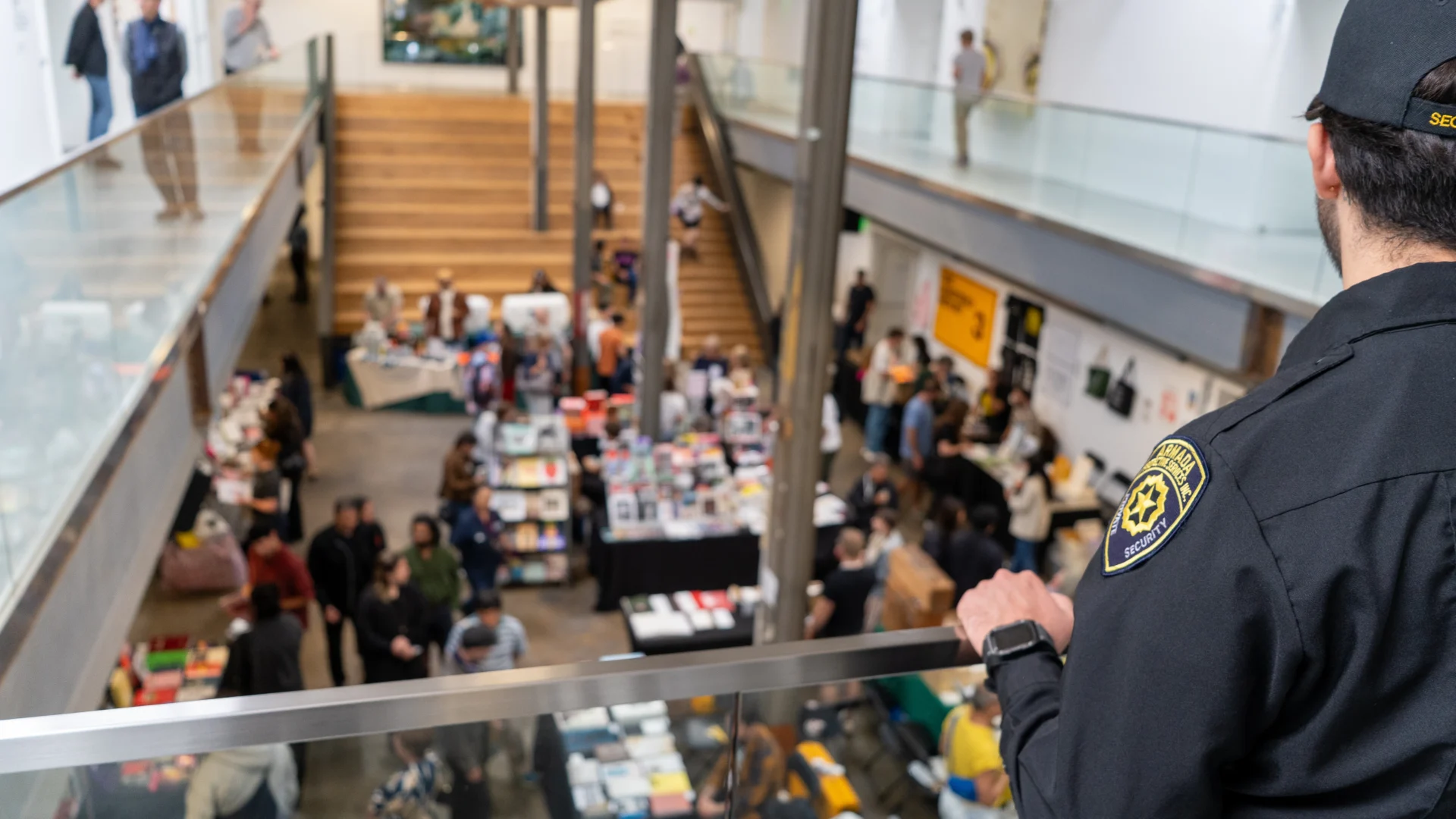
How a venue shift is put together
Work starts in your paperwork and your seat map. We read the permit conditions, the occupancy certificate and the running order, then write one post order per position: where it stands, what it watches, who it calls and what it writes down. Nothing in it asks you to buy equipment. Armada sells guarding and response; where a hall needs cameras or lighting we say so and bring in the contractor who installs it.
The entry line is a set of stations
A door that works is four short jobs done in order, not one line watched by everybody.
- Scanning happens at the head of the line rather than at the turnstile, so a duplicate or a screenshot is found with room still to deal with it.
- Bag check and the wand lane are separate stations with their own officers, because one person doing both is where the line stops moving.
- A refusal lane stands to the side of the flow: the guest steps out of the line, a supervisor takes it, and the gate keeps running.
- Re-entry, pass-outs and the will-call window are named in the post order, so an usher never has to invent a rule at eleven at night.
Back of house runs on credentials
Past the pass door, a face is not an argument. A laminate is.
- Dressing room corridors, the production office and the stage door each get a post with a list of what that color of pass opens.
- The loading dock is staffed from the first truck to the last case, because that door is open to the street for hours with nobody looking at it.
- Runners, caterers and local crew are badged on arrival and collected on the way out, and the count of passes issued is reconciled at the end.
- Lost property and anything left in a dressing room is bagged, labeled and handed to the venue, not kept by the shift.
The touring party is briefed before the trucks arrive
A visiting show brings its own rules, and they have to meet yours in advance rather than at the barricade.
- An advance call with the tour manager settles the pass colors, the guest list, the meet and greet and the artist’s own detail.
- The barricade in front of the stage is staffed facing the crowd, with the pit crew briefed on where the water goes and who pulls somebody out.
- Where a traveling detail works close to the artist, our officers hold the building and they hold the person, and the line between those two jobs is agreed in writing.
- Load-out is a second shift with its own post order, because the hall is unlocked, half lit and full of flight cases.
Your staff and our officers hold one plan
Venue people know the building. Officers know the posts. The plan is the thing that joins them.
- One named supervisor runs the shift and talks to your operations lead, the box office and the police, and you hold that number on the day.
- Ushers and ticket takers are shown what to raise and to whom, so a row that is going wrong reaches an officer before it reaches the stage.
- The house managers walk-through before doors is attended by the supervisor, so changes to the running order land in the post orders and not in rumor.
- Officers are the same faces across a season wherever the roster allows it, which is how a building stops being a diagram to the people working it.
The record of the night is written as it happens
What you can show afterwards is decided by what somebody wrote down at the time.
- Every refusal, ejection, medical call and police contact is logged with the time, the location in the bowl and what was done.
- Photographs go with anything that was damaged, confiscated or disputed, because a description alone rarely settles a claim.
- The shift report is sent when the shift closes, which is about an hour after the last officer stands down.
- Clients hold the direct numbers of the officers who cover their building, so a question the next morning goes to the person who was standing there.
Doors open again for the next one
A venue is not one event. It is a calendar, and the calendar is what the roster is built against.
- A sweep of the bowl, the concourse and the back of house closes the shift, with the seats checked row by row before the house lights go down.
- Anything that failed on the night goes into the next advance: a door that queued, a portal that jammed, a post that was in the wrong place.
- Dates added late are staffed from the same roster where we can, so the knowledge of the building stays on the payroll.
- Dark days still have a back of house, and a building with crews in it gets the cover it needs rather than the cover a show night needs.
Our Statistics. Your Guarantee.
A venue signs its security months before the doors open and finds out in one night whether it chose well, so the company on your doors should be checkable first. Armada has been the top-rated San Francisco security company since 2021 according to SFist5. Every figure below carries the thing it was measured against.
- 2x
At least twice as fast as police arrival
Under contract Armada is on site in 15 to 30 minutes. The median SFPD publishes for a low-priority call is longer, which is why SFPD itself points businesses to private security for anything short of a crime in progress.
- 80%
Fewer incidents at monitored properties
Twelve client sites kept incident records both before and after Armada started. Across them incidents fell by 80 percent. 2025 client survey.
- 24/7
Your officer is the one you call
Clients hold the direct numbers of the officers on their site, and the app carries the messages, the photos and the log. Nothing is relayed through a desk.
- 100%
Licensed and insured
Every officer individually BSIS licensed and background-checked, under California Private Patrol Operator PPO 120526, both verifiable in the state register.
Related Security Services
The other kinds of event Armada staffs, besides arenas, halls and theaters.
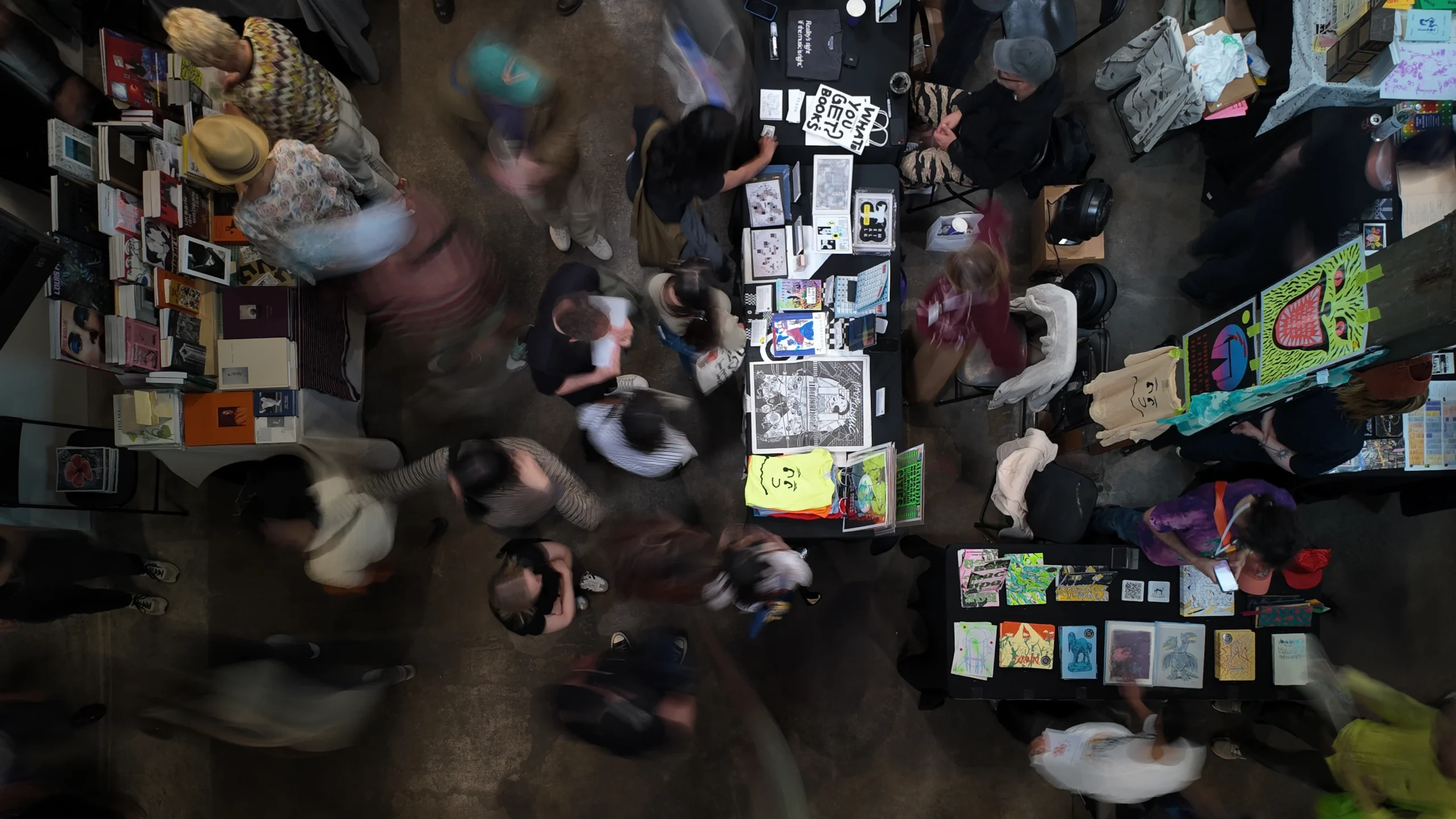
Licensed officers for entry queues, artist areas and cash points at concerts and festivals.
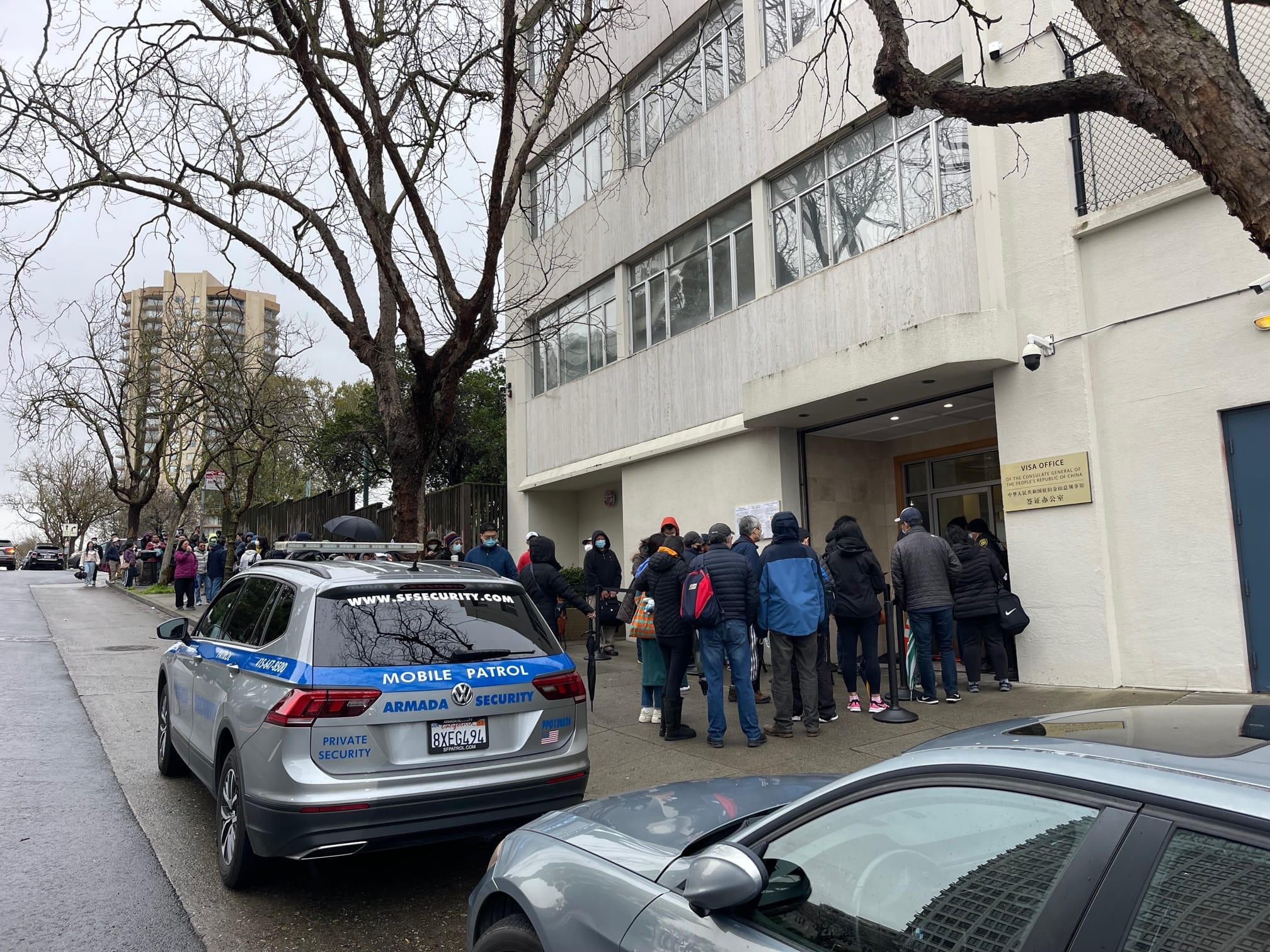
Officers for street fairs, parades, rallies and park festivals, where entry is free and the edge of the site is a public street.

On-site protection for conferences, product launches and corporate gatherings, from load-in to final sweep.
Customer testimonials
What venue and event clients say about working with Armada
We hired Armada on short notice for a situation we were experiencing in one of our apartment complexes. They responded quickly, set up patrols and a guard service for us very quickly. Guards were professional, prompt and communicated activity at the property to us.

Lana August
Property Manager, San Francisco
We have used Armada for about 10 years. They are an amazing company providing professional personnel consistently. Thank you Armada!

Jesse Leite
Resident Manager, San Francisco
Every Armada employee with whom I've had the pleasure of interacting has been top notch - curteous, efficient, effective, knowledgeable, responsible.

Alex Goretsky
Business Owner, San Francisco
I Manager a portfolio of communities in San Francisco -working with Armada is great. They are flexible, honest and the Guards are always on point. I would recommend this firm to other HOA/Commercial managers.

Christopher Stanley
Owner and Chief Executive Officer, San Francisco
Quoted verbatim from published client reviews, including their original wording.
Send us the calendar and the seat map
Tell us the building, the dates and the house count you expect to sell. One of our people comes to the venue, walks the bowl, the concourse and the back of house with your operations lead, and you get the post orders written against your own permit conditions and a price per date, before anything is signed.
Venue and stadium security FAQs
What arena, hall and theater operators in San Francisco and San Jose ask us before a season is staffed.
Does our hall need a Place of Assembly permit from the Fire Department, and what does the city ask about security?
Yes, once the room holds 50 people or more. The Fire Department issues the Place of Assembly Permit, and the city lists it among the papers a venue brings when it applies. The same application asks for a diagram marking where security stands and for proof of insurance covering it, so your staffing plan is read by the city instead of being settled quietly with a contractor. 1
Our room holds more than 500. Do we need crowd managers as well as security officers?
They are two different requirements. Section 403.11.3 of the California Fire Code asks for trained crowd managers where a facility or event gathers more than 500 people, with not fewer than two of them and one for each 250 persons or part of that number; the training has to be approved, and the duties listed are egress, fire hazards, permit conditions and getting people out. 6 The exemption written beside it covers outdoor events below 1,000 attendance, which is no help to an indoor hall. Guards under your entertainment permit are counted separately.
Somebody is reselling tickets outside our doors. What can our officers actually do?
Selling a ticket that was bought for resale above the price printed on it is a misdemeanor under California Penal Code section 346 when it is done on the grounds of, or inside, the stadium, arena, theater or other place holding the event, without written permission from the owner or operator. 7 Our officers are not police: they record what they saw, put the seller off the property, warn the buyer that the ticket may not scan, and call the station when it keeps happening.
There was a fight in the bowl and SFPD came. What does the city expect from us afterwards?
According to the standard conditions of the Good Neighbor Policy, a San Francisco permit holder has 24 hours after any violent incident, or after any SFPD response to a call for service at the premises, to complete an incident report and send it to the SFPD district station permit officer and to the Entertainment Commission. 3 Our shift log is written to feed that report: time, location by section and row, who was involved, what staff did and when the police arrived.
How do we check that the company and the officers on our doors are really licensed?
Two separate things are checked, and both are public. The company holds a Private Patrol Operator license and each officer holds a guard card, and the Bureau of Security and Investigative Services keeps the register where you look them up by number. 8 Armada works under California PPO 120526, and the roster for your dates lists each officer so the venue can verify them before the first show.
Ask us directly
Send the building, the dates and the house count with your question, and the answer will name the permit condition it rests on.
Sources
Where the figures, rules and local facts on this page come from. Links reviewed 13 Nov 2026.
- City and County of San Francisco 1 Place of Entertainment permit security ratio the Entertainment Commission may require, and the documents a venue files with the application, 4 Guide to hosting temporary events and pop-ups
- City of San Jose 2 Municipal Code 6.60.240 one security person per fifty patrons on site, the hours they are on duty, the registration level they hold
- San Francisco Entertainment Commission 3 Good Neighbor Policy standard conditions for entertainment permit holders: doors staffed from 10pm, the 100-foot sidewalk, L.E.A.D records, the 24-hour incident report
- SFist 5 Armada Protective Services — San Francisco’s Top Security Company trade press, used only where no primary source carries the claim
- International Code Council 6 California Fire Code, Chapter 4 2025 edition crowd manager thresholds and duties for gatherings
- public.law 7 Penal Code 346 resale of a ticket above its printed price on the grounds of the venue
- California Department of Consumer Affairs 8 Bureau of Security and Investigative Services guard card and private patrol operator licensing requirements