Security Consulting in the San Francisco Bay Area
Security consulting across the San Francisco Bay Area: what is actually wrong with your site, written down, before anyone sells you a guard
Most people who call us for consulting have already been quoted for officers by somebody and have no way of telling whether the number is right. A consulting engagement answers the question underneath that quote: which parts of this property are genuinely exposed, what would it take to close each one, and what is the cheapest of those fixes that does the most good.
We sell guards, so we say this plainly. Half the findings we hand over are things that need a locksmith, a lighting contractor or a change to a procedure, not a person on a post. You keep the written assessment either way, and you are free to take it to anybody.
Free and with no obligation. Give us the address and a time, and an assessor who works these sites walks it with you.
If it is urgent, call (415) 647-8500
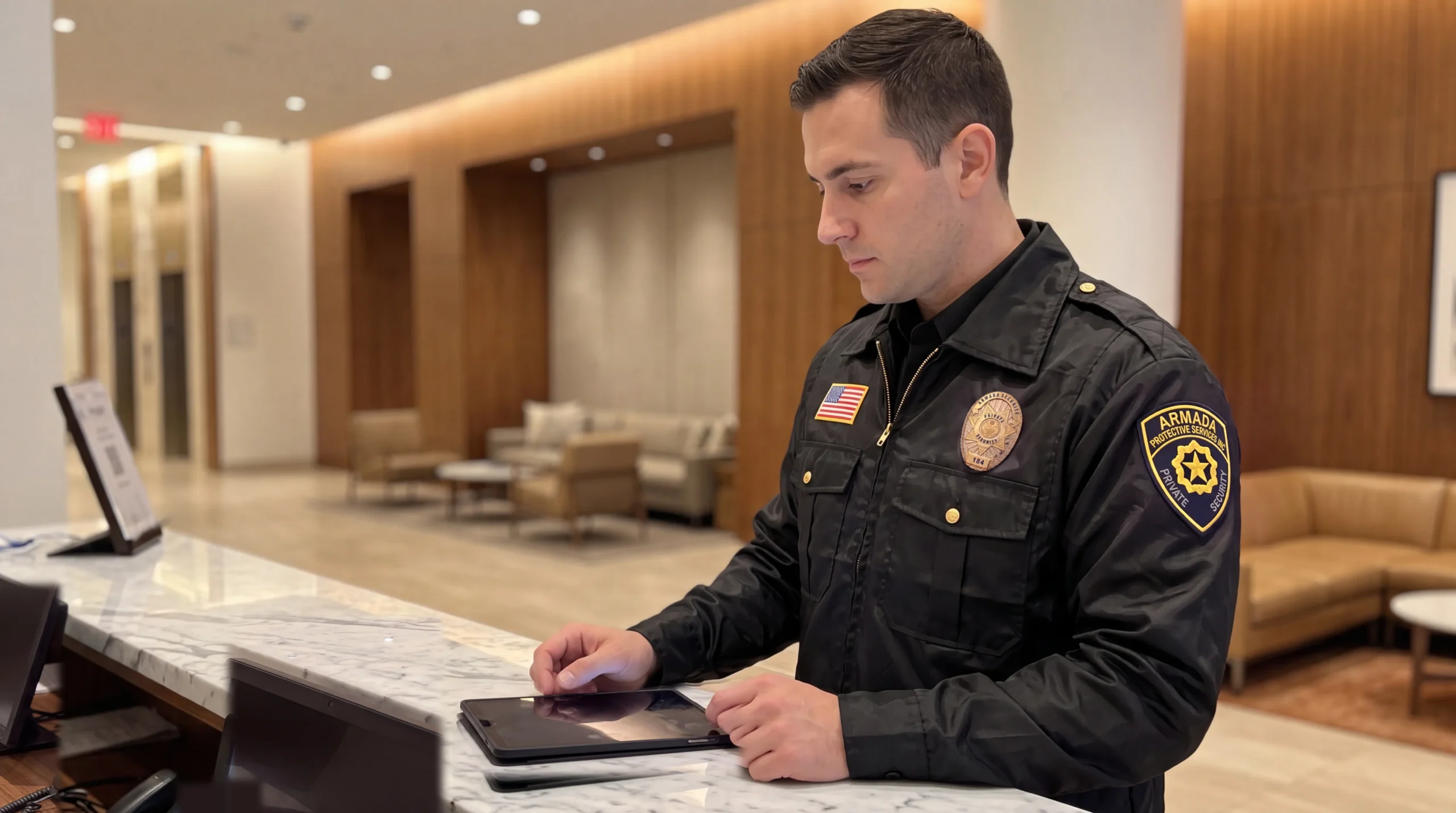
The three states a Bay Area property is usually in when somebody calls us
Risk assessment is an old discipline with written method behind it. Federal facilities are assessed under the Interagency Security Committee standard 1, and ASIS International publishes the standards most private assessors in the United States work from 2. What follows is how that method meets an actual building on this side of the bay.
Almost every engagement we are asked to take on begins in one of these three ways.
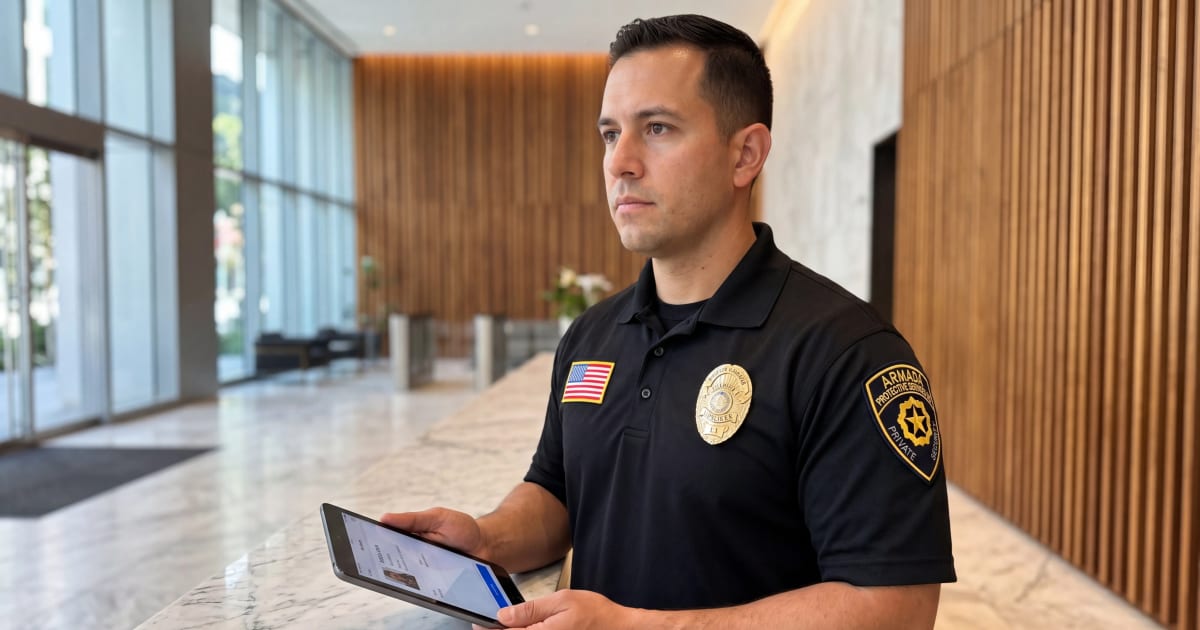
Nobody has ever written the plan down
The building has cameras from one landlord, locks from another, a cleaning crew with a code and an arrangement with the tenant on the third floor that only one person remembers. None of it is on paper. The first thing an assessment produces is the first document in the building’s life that says who may enter what, and when, and who decides.
Coverage is being bought before the gap is known
Somebody has quoted for two officers overnight. Maybe that is right. Maybe the real hole is a roll-up door that has been closing on a bent track for a year, and the right answer is a repair plus one pass a night. Working that out first is cheaper than finding it out over three months of invoices.
Something has already happened
After an incident, insurers, tenants and sometimes lawyers all ask the same question: what did you know and what did you do about it. An assessment with dates, photographs and a prioritized list is the document that answers it, and it is worth considerably more written before the event than after.

What the work consists of, in order
A consulting engagement with us is four pieces of work. Each one ends in something you can hold: a list, a tested result, a report with photographs, a plan with names in it.
The walk
Perimeter, every door that opens to the outside, the loading area, the stairwells, the roof access, the lighting after dark, where the cameras actually see and where they only appear to. We walk it with whoever runs the place, because half of what matters is in their head: which door sticks, which contractor has a key, who props what open at seven in the morning.
The test
Looking at an access system is not the same as trying it. With written rules of engagement agreed beforehand, we try the things an intruder would try: walking in behind somebody, a delivery pretext at the dock, a door that should re-lock and does not, an alarm zone that should report and is never answered. The findings come with the time and the photograph attached.
The report
Findings in plain sentences, each with what it would take to fix, ranked by how much risk the fix removes for the money it costs. The cheap procedural fixes are at the top, where they belong, and anything that needs capital is priced and dated separately so it can go into a budget cycle rather than into a drawer.
The plan for the bad day
Who decides, who calls, in what order, and what staff do while they wait. California fire code already requires emergency plans and drills for most occupancies 3, so most buildings owe one anyway. We write it so it names positions rather than people who may have left, and we keep the responder contacts and the site plan with it.
Most sites do not need more equipment, they need the equipment to be pointed at something
A large part of the work is making what is already installed do what the owner believed it was doing. We go through the systems one at a time and say what each is worth as it stands.

Cameras and what they record
We check coverage against the places incidents actually start, the image at the distance the face would be at, the retention period, and whether anyone can export a clip at eleven at night without calling an installer. A camera that cannot produce usable evidence by the morning is a cost, not a control.
Access control and credentials
Who holds what, whether leavers were removed, whether contractor cards expire, and whether the door re-locks behind somebody at the speed the specification claims. Tailgating is the one failure every system has and almost no system reports, so we check what the building does about it rather than what the panel says.
Patrol technology and sensors
If rounds are already being paid for, the question is whether they can be proved: checkpoint tags on the things they name, presence verified through TrackTik, timed logs you can read without asking anybody. For large or dark sites we will say where a surveillance trailer, thermal camera or drone work is worth the money, and where local rules make it more trouble than it is worth.
Our Statistics. Your Guarantee.
Advice is worth what the people giving it can show for themselves, so these are our own operating numbers with the basis of each one beside it. Officers are licensed one at a time through BSIS and background-checked before a first shift, and Armada Protective Services has held California PPO 120526 since 1994. Armada has been the top-rated San Francisco security company since 2021 according to SFist4. Every outside document named on this page was checked November 2026.

- 2x
At least twice as fast as police arrival
Under contract Armada is on site in 15 to 30 minutes. The median SFPD publishes for a low-priority call is longer, which is why SFPD itself points businesses to private security for anything short of a crime in progress.
- 80%
Fewer incidents at monitored properties
Twelve client sites kept incident records both before and after Armada started. Across them incidents fell by 80 percent. 2025 client survey.
- 24/7
Your officer is the one you call
Clients hold the direct numbers of the officers on their site, and the app carries the messages, the photos and the log. Nothing is relayed through a desk.
- 100%
Licensed and insured
Every officer individually BSIS licensed and background-checked, under California Private Patrol Operator PPO 120526, both verifiable in the state register.
Related Security Services
What the findings usually turn into once the written assessment is in your hands.
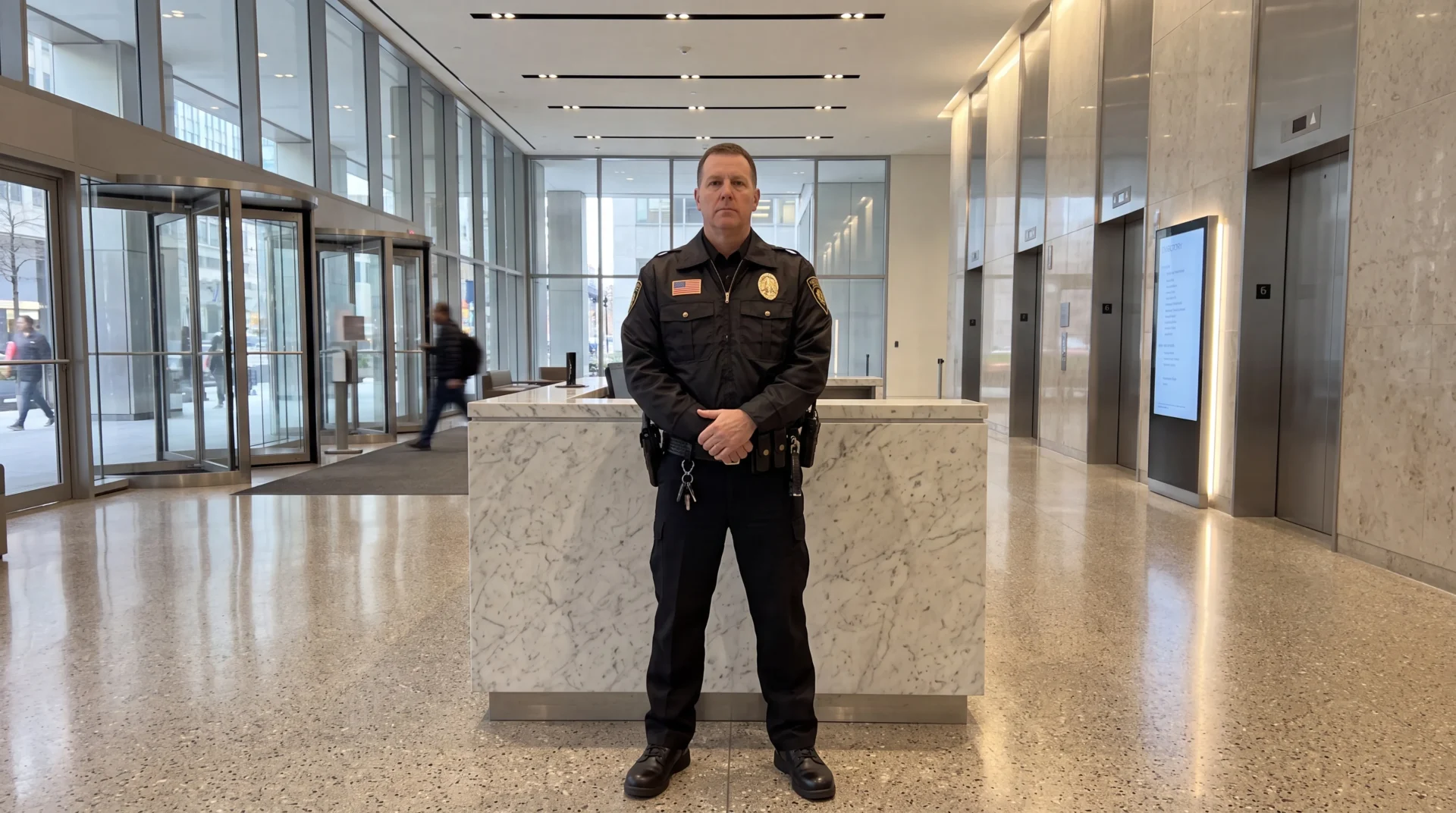
Armed, unarmed and specialized officers on post, with written post orders and daily reports for each site.
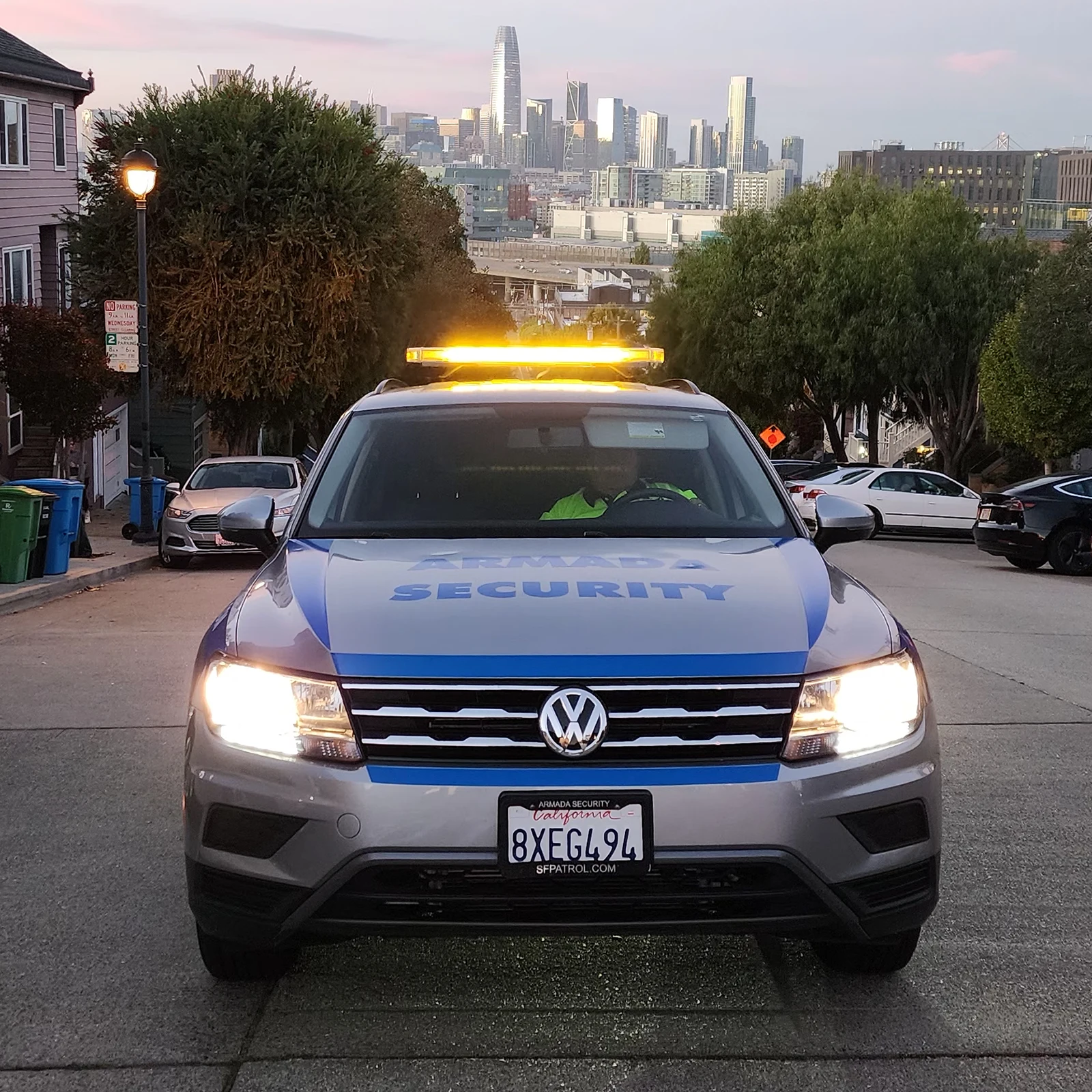
Marked vehicle rounds, foot rounds and alarm response across San Francisco and the Peninsula, logged and timed.
Assessment and de-escalation for a named person or a situation that is building, including terminations and disputes.
Customer testimonials
Professional and Reliable Security Services in the Bay Area
We hired Armada on short notice for a situation we were experiencing in one of our apartment complexes. They responded quickly, set up patrols and a guard service for us very quickly. Guards were professional, prompt and communicated activity at the property to us.

Lana August
Property Manager, San Francisco
We have used Armada for about 10 years. They are an amazing company providing professional personnel consistently. Thank you Armada!

Jesse Leite
Resident Manager, San Francisco
Every Armada employee with whom I've had the pleasure of interacting has been top notch - curteous, efficient, effective, knowledgeable, responsible.

Alex Goretsky
Business Owner, San Francisco
I Manager a portfolio of communities in San Francisco -working with Armada is great. They are flexible, honest and the Guards are always on point. I would recommend this firm to other HOA/Commercial managers.

Christopher Stanley
Owner and Chief Executive Officer, San Francisco
Quoted verbatim from published client reviews, including their original wording.

Get your site looked at and written up
It starts with a free site visit: pick a time, set aside 30 to 60 minutes, and we walk the building with somebody from your side and leave a written assessment that is yours whether or not you hire us. If what it recommends is officers or patrol, those agreements carry a minimum term of one month and run month-to-month after that. We do not publish rates, because the honest number depends on what the walk finds.
FAQs
What Bay Area owners and property managers ask us before they commission an assessment.
What do we actually receive at the end?
A written assessment: findings in plain sentences, photographs taken on the day, a rating for each finding, and a ranked list of what to do about it with the cheap procedural fixes first. It is yours to keep, to show an insurer or a board, and to take to another company if you would rather.
Do we have to hire your officers afterwards?
No, and a fair number of clients do not. Plenty of findings are repairs, lighting, locks or a change in how the building runs, and we would rather write that than sell a post that does not fix anything. Where officers or patrol genuinely are the answer, we price them separately and you compare that price with anybody you like.
Do you test the building or only look at it?
Testing is offered, and it only happens under rules of engagement you sign first. Those rules name what may be attempted, by whom, on which days and where we stop: no force, no damage, nothing that leaves a member of your staff in a position they cannot walk away from. Afterwards the people who were involved are told what happened and why.
How often should a site be looked at again?
Once a year is the usual rhythm, and sooner whenever the building itself changes: a new tenant, a renovation that moves the entrances, a change of cleaning or security contractor, or any incident. A plan written for a layout that no longer exists is worse than no plan, because people still believe it.
Which parts of the Bay Area do you work in?
San Francisco, the Peninsula cities from Daly City and Brisbane down through South San Francisco, Millbrae, Burlingame, San Bruno and San Mateo, plus San Jose and Sausalito. We do not work in the East Bay, and we say so at the first call rather than taking the engagement and subcontracting it.
Ask us directly
If your question is about your own building, send it here. The person who writes these assessments will answer.
Sources
Where the figures, rules and local facts on this page come from. Links reviewed 13 Nov 2026.
- Cybersecurity and Infrastructure Security Agency 1 ISC risk management standard 2024 edition scope: federally owned or leased buildings; facility security levels
- ASIS International 2 Security standards
- UpCodes Codebook 3 Fire Code, section 403 2025
- SFist 4 Armada Protective Services — San Francisco’s Top Security Company trade press, used only where no primary source carries the claim