Executive Protection and Employee Escort in San Francisco
An officer who travels with the person being protected: into the meeting, through the lobby, across the sidewalk and back into the car.
Most of this work is finished before anyone is in the room. We read the day, look at each address, decide where the car stops and who meets whom at the door. On the day itself the officer is meant to be the least interesting person present. The people your executive came to see should remember the conversation, not the man waiting near the exit.
The briefing is free and runs under an hour. Bring the next two weeks of the calendar and we will say which of those movements need an officer and which do not.
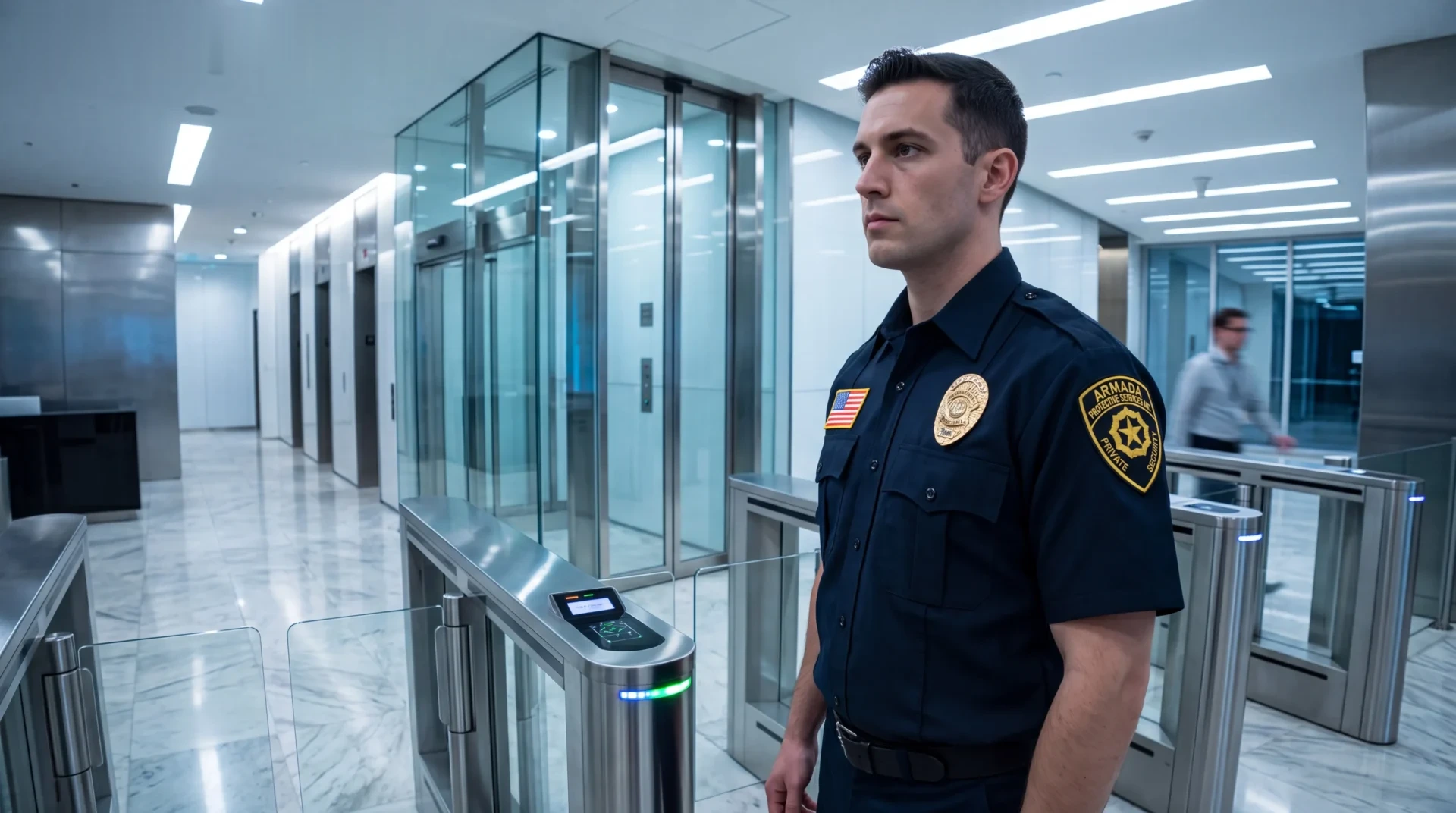
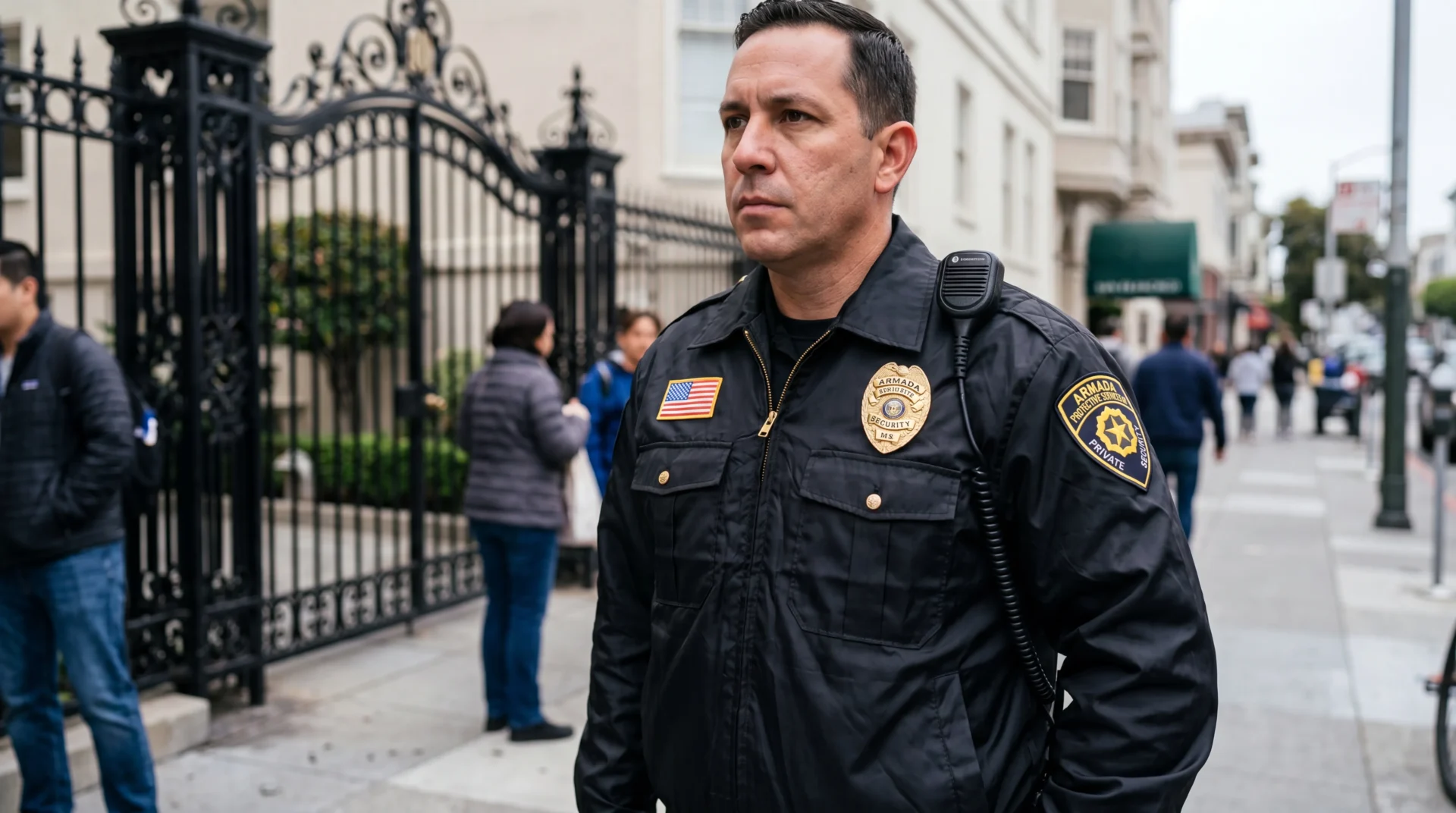
The gaps a schedule makes
Nothing around a visible person goes wrong in the middle of a meeting. It goes wrong at the curb, in the garage after the floor has emptied, and on the walk somebody takes alone because the day ran late.
A detail is built around those gaps, not around the meeting, and none of them needs a planned attacker.
Fewer than a third of stalking victims, 29%, ever tell the police, according to the Bureau of Justice Statistics1.
The curb, the door and the first ten steps
The exposed part of a visit is never the room. It is standing on the sidewalk while the car clears a bus lane, or waiting at a glass door that stays shut until reception looks up. Both are short, both are visible from across the street, and both are the part a stranger can plan for.
- The stopping point picked for how fast a car can leave it, not for how grand the entrance looks
- Someone at the door before your executive reaches it, so nobody stands outside waiting to be let in
- A second way out of the building found and tried before anyone needs it
- Arrival and departure planned apart, because a building empties differently from the way it fills
A calendar anyone can read
Panel listings, conference agendas, award dinners and a post naming the venue tell a stranger where a person will stand and roughly when. None of it is secret and none of it has to be. What has to change is that the published time and the real movement stop being the same thing.
- Public appearances read through at the start of the week, not on the morning of the day
- Arrival held apart from the time the program prints
- Entrances rotated wherever a venue has more than one
- Nobody in the party posts the room while the party is still in it
The person who keeps coming back
Most trouble around an executive is not anonymous. It is a former employee, a litigant, an applicant turned down twice, a grievance with a history. The pattern builds across months in email, at the front desk and in the parking structure, and it is usually visible long before anyone calls it a security matter. Where it is one named person who will not let go, that is its own job, with its own page: threat assessment and management. About 1.3% of people aged 16 or older were stalked during 2019, according to the Bureau of Justice Statistics1, and the ones an office sees are the ones with a reason to come to that office.
- Every repeat contact written down with its date, so what you hold is a record and not an impression
- Reception and front desk briefed on the name, with the instruction given in writing
- Cover raised for the days when contact is likeliest, such as a hearing or a termination
- What we hold handed to your counsel in a shape they can actually file
Staff who leave after the office is dark
Close protection and employee escort are bought by the same person for the same reason. A finance team closing a quarter leaves late, walks four blocks to a garage and crosses a deck where the lights are on a timer. An escort for that walk costs a fraction of a detail and takes away most of the exposure.
- Walks to a parking structure, a transit stop or a pickup point, on a schedule your staff know
- The same officer most nights, so nobody meets a stranger at a service door
- The officer stays until the vehicle is moving, not until it is reached
- Late changes taken through one contact instead of a group chat
Where we can put an officer beside you
A detail is worth buying only where the team already knows the ground and can reach a venue in advance instead of meeting it cold on the day. That is San Francisco, the Peninsula down to San Jose, and over the bridge to Sausalito.
We serve: San Francisco, San Mateo, Brisbane, San Jose (see all locations)
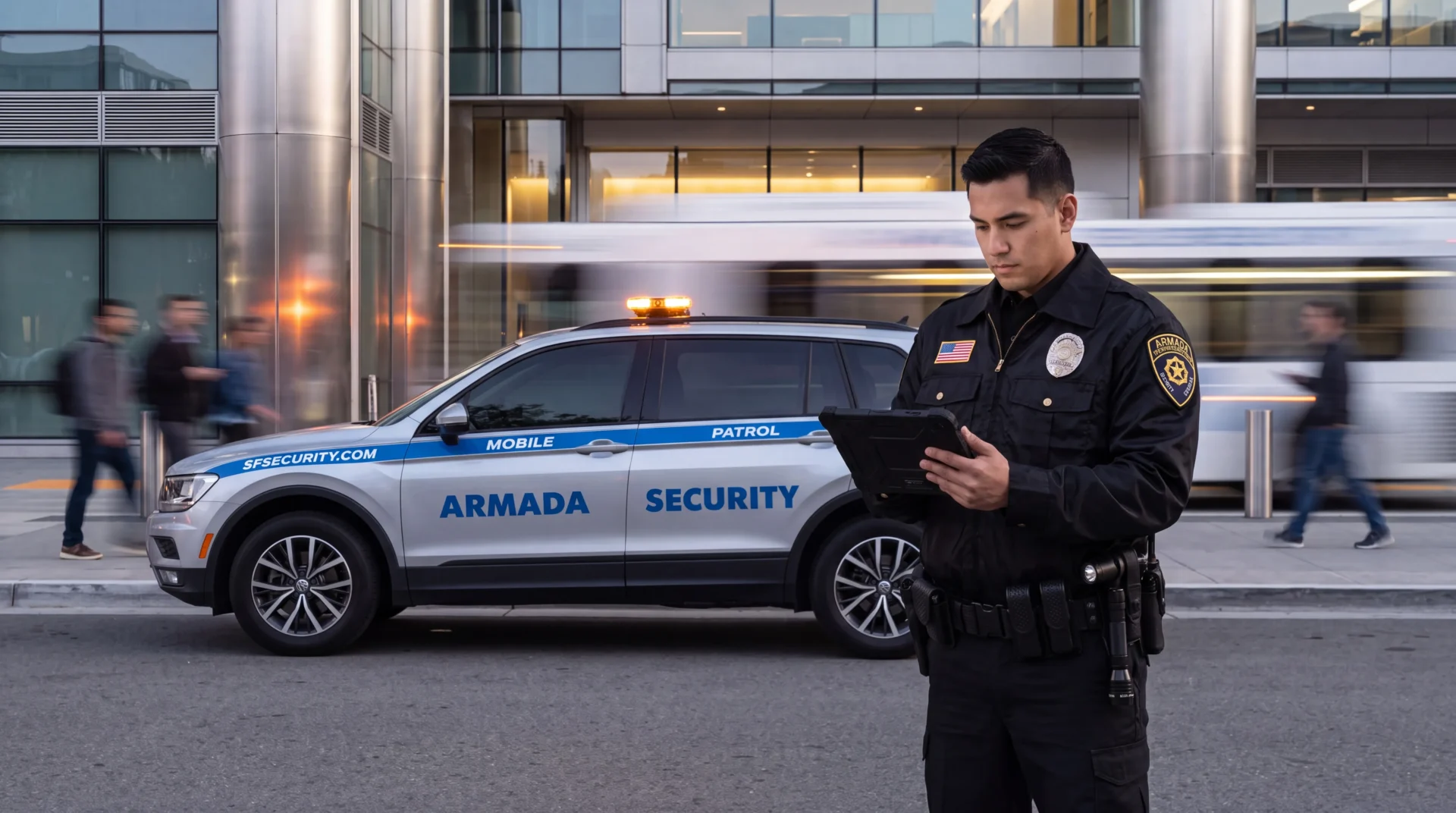
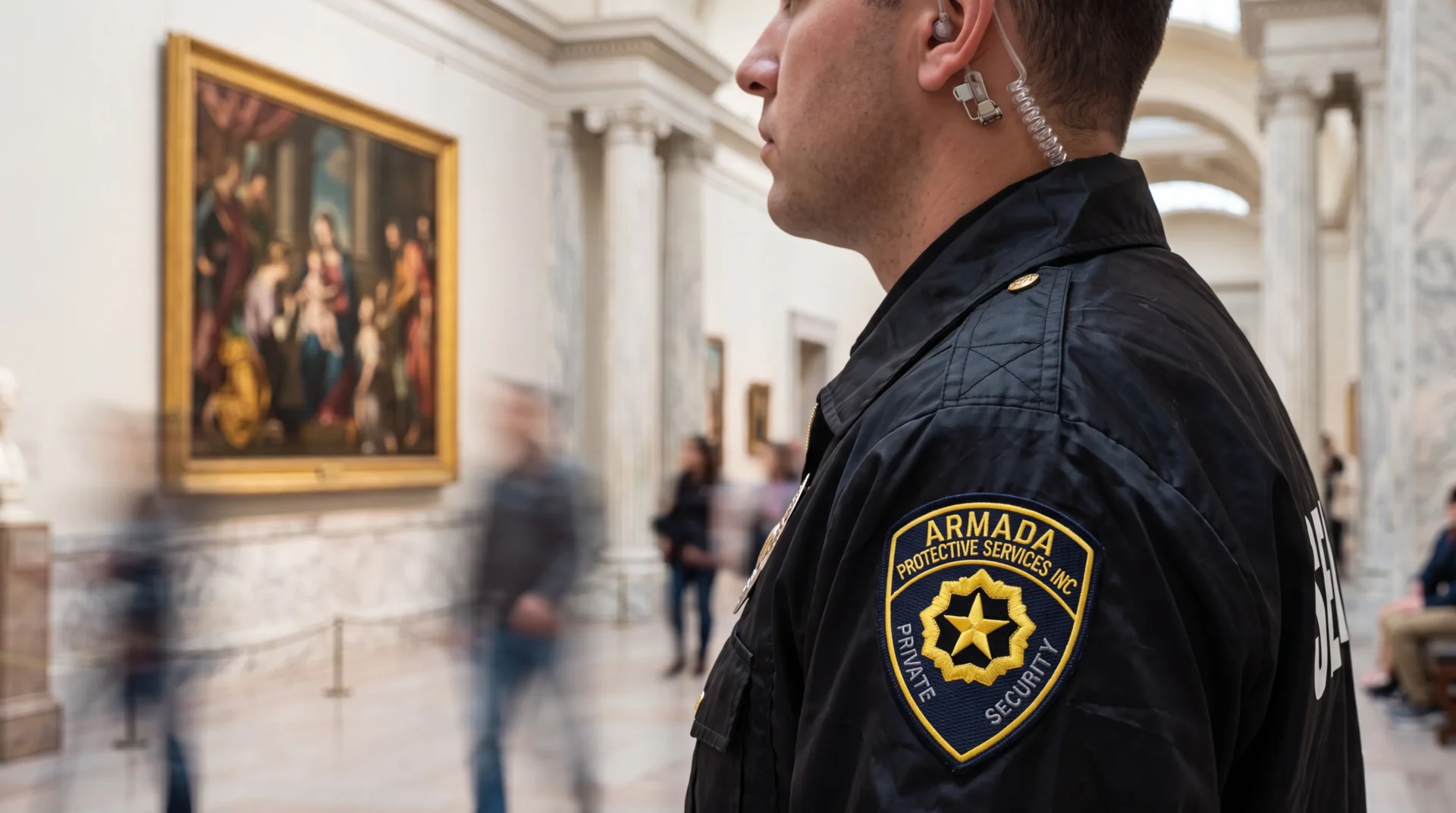
What happens before the day, and what happens on it
Protection is a plan plus a person. The plan is written in advance out of the schedule, the addresses and the list of who else travels. The person has to carry it out while being pleasant to a receptionist. Both halves are described here.
Nothing below is a claim about how fast we are or what equipment we carry. It is what an officer knows before he arrives and how he behaves once he is standing there.
The advance: the venue is seen before you see it
Somebody walks the address ahead of the visit. Not to inspect the building, but to answer four questions: where a car can stop, how a person gets from that point to the room, where the room lets out if it has to, and who at the venue holds the keys to those answers.
- The way from vehicle to room walked, timed and written down
- A second exit found and confirmed unlocked for the hours of the visit
- The venue security contact named and spoken to before the day, not greeted on it
- Loading bays and service entries looked at, because that is usually the quiet way in and out
The route, and the route you do not take
A route is two routes. The one planned out of the traffic, and the one used when the first is closed by a protest, a film permit or a truck that will not move. Both are agreed before the engine starts, and neither of them is written anywhere a stranger can read.
- A first and a second route agreed for every leg of the day
- Closures, marches and road work checked on the morning, not the week before
- Timing kept off shared calendars, printed agendas and anything posted in public
- A change passed to the driver by voice, never left in a thread for somebody to notice
Working with your driver
Most clients already have a driver they trust, and we do not replace him. We brief him. He is told where to hold, roughly how long we expect to be, what to do if traffic control moves him on, and the one signal that means collect us now rather than in five minutes.
- The driver briefed face to face before the first movement, not by message
- A holding position agreed that is legal to wait in and quick to pull out of
- One agreed signal for an early pickup, so nothing depends on a phone call being answered
- Armada sells officers, not cars: the vehicle stays yours and we work to it
Working with your assistant
The person who actually runs the day is usually the executive assistant. They hold the calendar, they know which meeting moved and which one was never real. We work to that person, through one channel, and we keep logistics away from the executive who has already answered them once.
- One named contact on your side for the schedule and one on ours
- Changes taken from that contact in a single channel, so nothing arrives twice or not at all
- The next day confirmed the evening before, in writing
- No scheduling questions put to the person being protected while they are working
How an officer behaves in a public place
The visible part of this job is manners. An officer who crowds a person turns a quiet arrival into something people photograph. The distance is chosen so he can reach your executive in one step and still read, to the rest of the room, as somebody waiting for a colleague.
- Uniform or plain clothes decided venue by venue with you, and the reason said out loud
- No standing between your executive and the people they came to meet
- Hands free, no phone, no filming, no conversation that is not the job
- A disagreement with a venue or its own guards is settled by us afterwards, never in front of the room
What stays private
An escort learns the calendar, the addresses, the names and sometimes the reason. The written record of a day is held down to what the job needs: times, places, what happened. What was said in a meeting is not ours and goes nowhere.
- Reports carry movement and incident only, never the subject of a meeting
- Third parties left unnamed unless they are part of an incident
- A confidentiality agreement signed before the first assignment when you want one
- The same small group of officers keeps the assignment, so few people ever learn the pattern
Our Statistics. Your Guarantee.
Close protection is bought on trust, which is the one thing a buyer cannot check in advance. These four numbers are the part that can be checked. Armada has been the top-rated San Francisco security company since 2021 according to SFist2.
- 2x
At least twice as fast as police arrival
Under contract Armada is on site in 15 to 30 minutes. The median SFPD publishes for a low-priority call is longer, which is why SFPD itself points businesses to private security for anything short of a crime in progress.
- 80%
Fewer incidents at monitored properties
Weighted average across client sites, banks and hotels among them. It compares the incident records those clients kept before Armada covered the site with the records they kept after.
- 24/7
Your officer is the one you call
At two in the morning a client calls the officer who covers them, not a call center in another state. Clients hold those numbers from the first shift, and the app carries the messages, the photographs and the log.
- 100%
Licensed and insured
Every officer individually BSIS licensed and background-checked, under California Private Patrol Operator PPO 120526. Look the number up yourself in the state license record for PPO 1205263. Checked November 2026.
Related Security Services
Three Armada services that sit closest to executive protection and employee escort.

Armed officers for high-risk environments, who hold the line without losing professionalism or discretion.
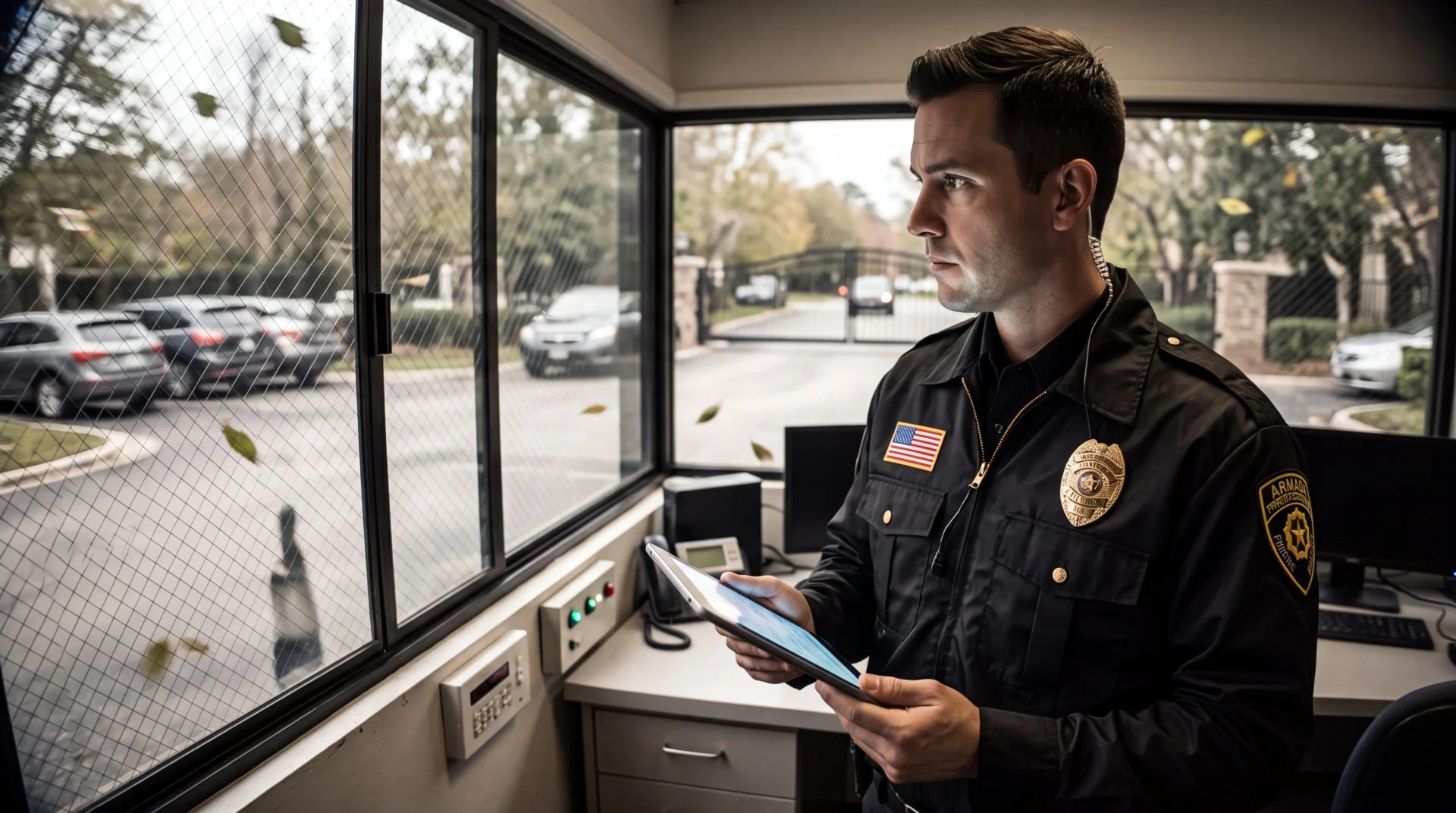
Identify, evaluate and defuse a security threat before it escalates, from a disruptive individual to a workplace violence risk.
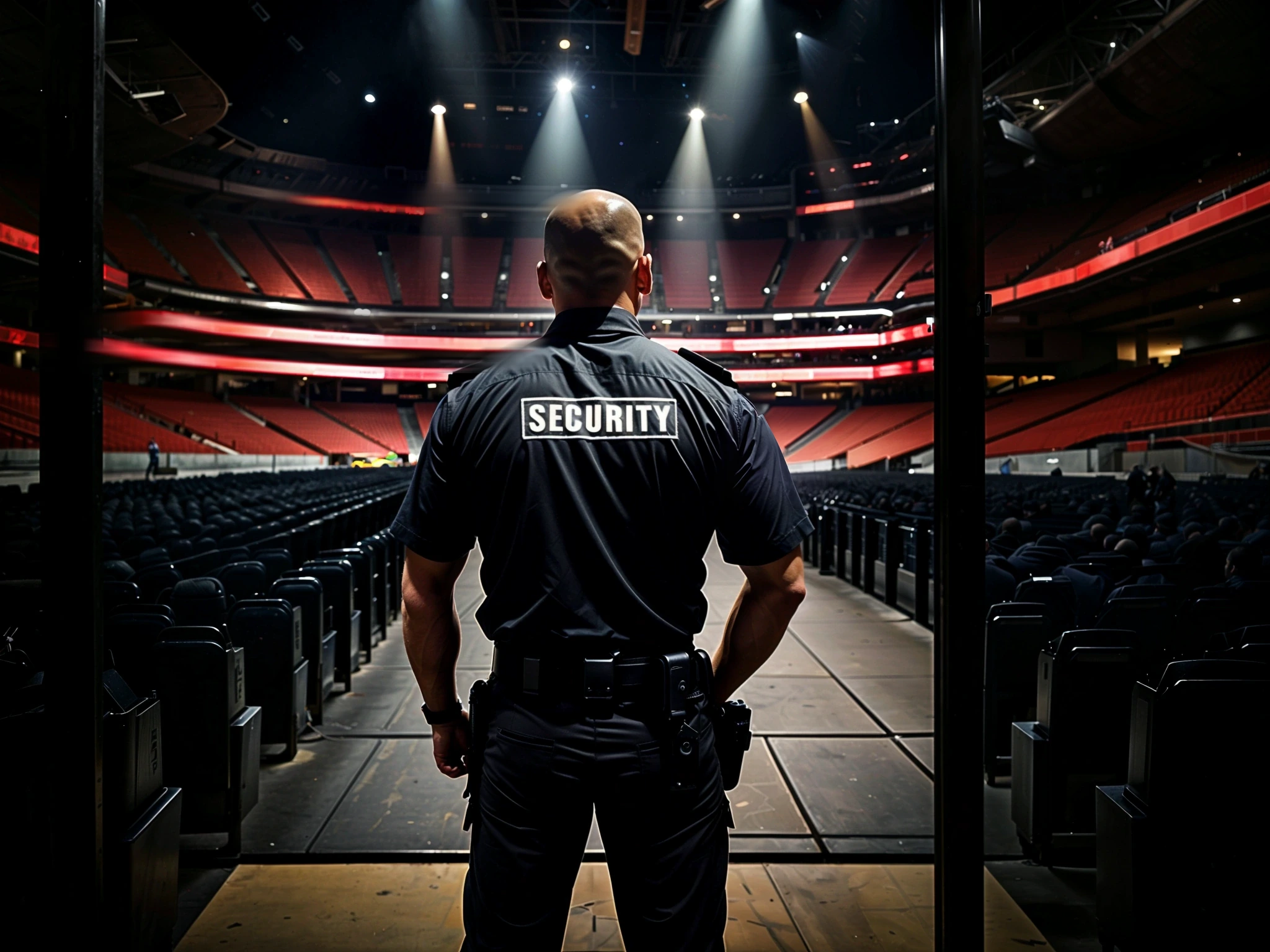
On-site protection for corporate gatherings, conferences and private functions, with a controlled environment for guests, staff and vendors.
Customer testimonials
Professional and Reliable Security Services in the Bay Area
We hired Armada on short notice for a situation we were experiencing in one of our apartment complexes. They responded quickly, set up patrols and a guard service for us very quickly. Guards were professional, prompt and communicated activity at the property to us.

Lana August
Property Manager, San Francisco
We have used Armada for about 10 years. They are an amazing company providing professional personnel consistently. Thank you Armada!

Jesse Leite
Resident Manager, San Francisco
Every Armada employee with whom I've had the pleasure of interacting has been top notch - curteous, efficient, effective, knowledgeable, responsible.

Alex Goretsky
Business Owner, San Francisco
I Manager a portfolio of communities in San Francisco -working with Armada is great. They are flexible, honest and the Guards are always on point. I would recommend this firm to other HOA/Commercial managers.

Christopher Stanley
Owner and Chief Executive Officer, San Francisco
Quoted verbatim from published client reviews, including their original wording.
Tell us who moves, and when
Send the dates, the venues and who else travels with the person being protected. The free site visit comes first, and no figure is named until an officer has stood in the places your executive will be standing.
FAQs
What buyers of close protection and employee escort ask us before they sign.
Does a bodyguard in California need a state license?
Yes. Business and Professions Code 7582.1 counts guarding a person while in the company of persons being protected as the work of a private patrol operator and its employees, according to the code text published by public.law4. The guard carries a valid registration card on duty, and an officer with an exposed firearm carries a BSIS firearms permit as well. Armada fields armed officers and unarmed officers, so the real question is which of the two a given day calls for.
Can an off-duty police officer work as my armed bodyguard?
Only within limits. Business and Professions Code 7582.2 exempts a peace officer employed by a private employer for off-duty work under Government Code section 1126, but says plainly that nothing in it exempts a peace officer who contracts as a private patrol operator or who is employed as an armed private security officer, according to the code text published by public.law5. Retired peace officers sit under separate conditions in the same section. Hiring a friend from the department is therefore not the shortcut it looks like.
Should the officer be in uniform or in plain clothes?
That is a decision for each venue, and it is not free. A uniform is a deterrent and it tells a room where to take a problem; plain clothes keep an arrival from looking like an event. The one combination that is closed to you is plain clothes with an exposed firearm: asked whether a licensee may carry an exposed firearm or baton in plain clothes, BSIS answers no, and points to the uniform requirements in the Private Security Services Act6. We go through the week with you and settle it stop by stop.
When does repeated unwanted contact count as stalking in California?
Penal Code 646.9 makes it stalking to willfully, maliciously and repeatedly follow or harass a person while making a credible threat that puts them in reasonable fear for their safety or that of their immediate family, and a course of conduct in that section means two or more acts, according to the code text published by public.law7. The same section sets the punishment at up to a year in a county jail, a fine of up to $1,000, or state prison, according to that text. The dull consequence for an office is the one that matters: each act has to be written down with its date, or there is no pattern for anyone to act on.
There is no site to visit. What does the free assessment look at?
There is always a site. It is the office your executive leaves from, the garage they park in and the two or three venues that keep coming back on the calendar. We walk them with you: how the floor is reached, who can follow somebody into an elevator lobby, where a car can wait without blocking a lane, which of the week's movements are published in advance. You keep the written assessment at the end of it, whether or not you hire us.
How is a protection day priced, and is there a minimum?
We publish no rates, and a number given before anyone has seen the day would be fiction. What a day costs follows the hours it runs, how many movements it holds, how many officers a venue needs and whether any of them are armed; two executives with the same job title can need very different days. Standing cover at an office carries a minimum term of one month and continues month to month from there, while a single appearance or a visiting executive is priced for the days it lasts. The price goes to you in writing, against a plan you have already read.
Ask us directly
If what you need is not above, send the question here and an officer who runs these details will answer it.
Sources
Where the figures, rules and local facts on this page come from. Links reviewed 13 Nov 2026.
- Bureau of Justice Statistics 1 Stalking Victimization, 2019 Supplemental Victimization Survey to the National Crime Victimization Survey; published February 2022
- SFist 2 Armada Protective Services: San Francisco's Top Security Company trade press, used only where no primary source carries the claim
- California Department of Consumer Affairs license search 3 License record PPO 120526 Armada Protective Services, private patrol operator
- public.law 4 Business and Professions Code 7582.1 defines private patrol operator and security guard work, including guarding persons in the company of persons being protected, 5 Business and Professions Code 7582.2 exemptions from the Private Security Services Act, including off-duty and retired peace officers, 7 Penal Code 646.9 stalking: course of conduct, credible threat and the penalties
- California Department of Consumer Affairs 6 Uniform, badge and patch answers BSIS answers on uniforms, badges and carrying an exposed firearm or baton in plain clothes