
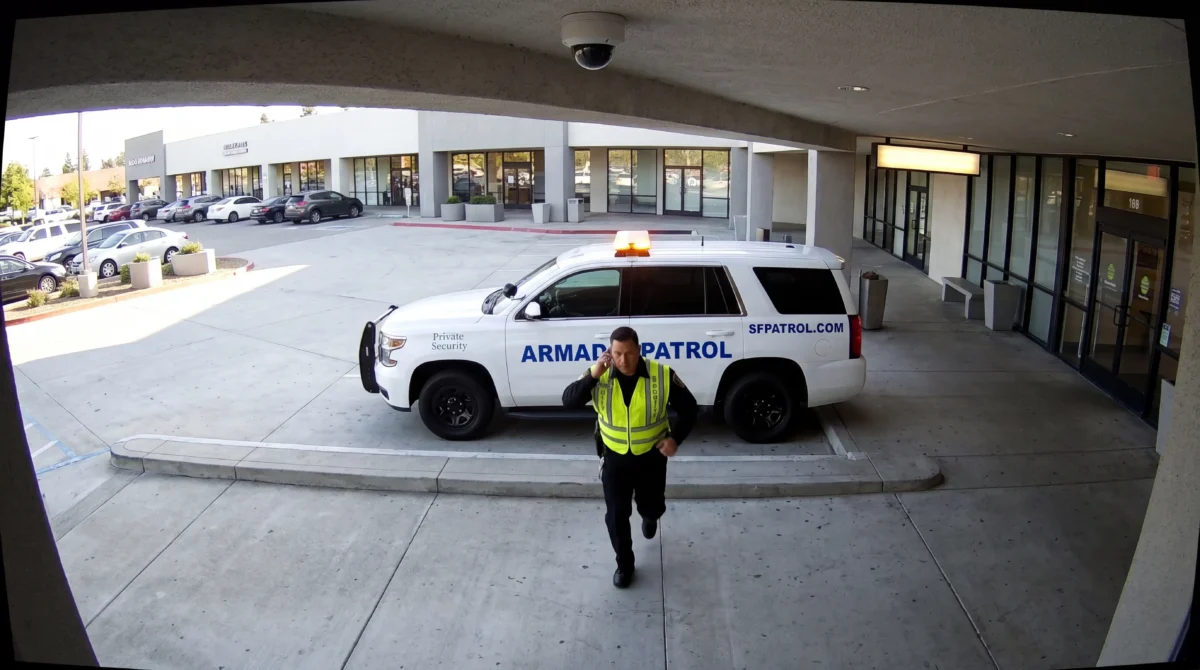
Emergency Response Security Guards: Why They Matter for Your Business in San Francisco Bay Area
Emergency response security guards are specially trained private professionals who arrive quickly to stabilize incidents and protect people and property across the San Francisco Bay Area. In dense, mixed-use neighborhoods alarm activations and on-site emergencies happen more often, and a fast private response can be a practical complement to municipal services. This guide explains how emergency response teams work, what they do on arrival, and why property managers and business leaders should consider them as part of a layered safety plan. You’ll learn how guards handle alarm response and mobile patrols, coordinate with police and first responders, use technology to speed and document responses, and tailor services for commercial properties, HOAs, healthcare sites, and events. Practical examples and clear comparisons show how emergency guards limit damage, reduce liability, and help operations get back to normal — all with Bay Area realities in mind.
What Are Emergency Response Security Guards and How Do They Protect Your Business?
Emergency response security guards are private security professionals who deploy quickly to incidents, perform an initial scene assessment, and provide short-term containment to protect life and property until public emergency teams arrive. Their core duties typically include alarm response, mobile patrols, fire watch, and on-site emergency assistance. Key benefits are deterrence, faster containment of threats, and documented incident records that support investigations and insurance claims. By reducing the window of vulnerability after an incident, these guards act as a bridge between property stakeholders and public responders. Knowing their role helps you decide when to rely on private response and when to call 911 immediately.
Emergency response guards protect businesses through clear, time-sensitive actions:
- Rapid deployment: Units are dispatched quickly to investigate alarms and secure the site.
- Scene stabilization: Guards assess hazards, provide basic first aid, and cordon off dangerous areas for firefighters or EMS.
- Incident documentation: Teams produce time-stamped reports and collect evidence to support police and insurance follow-up.
Those measures limit physical damage, shorten downtime, and preserve forensic evidence for investigations. The next section breaks down typical service components and the step-by-step actions guards take during an emergency.
Definition and Scope of Emergency Security Guard Services
Emergency security guard services include alarm response, mobile patrols, on-site emergency interventions, and fire watch duties focused on immediate safety and incident control. When an alarm sounds or a client requests assistance, providers dispatch the nearest patrol to confirm the alarm, secure entry points, and perform an initial hazard assessment. Guards can provide basic medical aid and relay accurate on-scene information to emergency services. They operate within legal limits: securing and documenting incidents, but not performing arrests or replacing law enforcement in criminal investigations.
As security challenges evolve, clear roles and collaboration between private and public responders become increasingly important.
Private Sector Security in Emergency Response & Public-Private Partnerships
Partnerships between public agencies and private security are expected to expand as strategies for cross‑sector emergency response develop. Creating those partnerships remains a practical challenge: there’s no single standard for integrating private security into prevention and response frameworks, and private-sector contributions to counter-terrorism and emergency response are still being defined.
The role of the private sector in counter-terrorism: a scoping review of the literature on emergency responses to terrorism, 2021
A typical alarm response timeline shows the limits and benefits: alarm received, dispatch within minutes, arrival to confirm or clear the site, scene control and evidence preservation if a breach occurred, and detailed incident reporting for the client and authorities. That sequence reduces uncertainty and bridges the gap until public responders assume full control. Knowing these boundaries helps property managers integrate private response into their emergency plans.
Key Roles: Rapid Deployment and Crisis Management
Emergency response guards focus on first-arrival stabilization, scene control, communicating with first responders, and creating clear records for follow-up. On arrival a guard quickly evaluates safety, contains immediate threats, sets perimeters, and delivers basic medical care if needed while EMS is en route. They rely on de-escalation and conflict-resolution skills to manage bystanders and calm occupants, preventing escalation. Time-stamped reports and photographs taken on scene support investigations and legal processes.
Effective crisis management depends on consistent training and clear protocols: evacuation checklists, defined channels between dispatch and police, and evidence‑preservation procedures. The next section shows how a local provider organizes operations to maintain those capabilities and improve response quality.
Armada Protective Services Inc. example: As a Bay Area provider, Armada Protective Services Inc. brings local knowledge, mobile patrol coverage, and 24/7 availability tailored to urban response needs. Patrol density and neighborhood familiarity shorten travel times to incidents. By combining local experience with continuous coverage, professional emergency guards deliver faster containment and clearer documentation for property managers. This local example shows how provider capabilities translate into practical protection; the following section outlines operational practices that maximize speed and accountability.
How Does Armada Protective Services Ensure Rapid and Effective Emergency Response?
Quality emergency response requires continuous availability, trained personnel, fast dispatching, and transparent incident reporting. Armada Protective Services Inc. emphasizes 24/7 monitoring and an on-call patrol fleet, BSIS-certified staff, and real-time reporting tools that produce time-stamped incident records. These systems reduce the time between an alarm and on-site mitigation, preserve evidence, and improve coordination with public emergency services across San Francisco and the Bay Area. Below are specific operational features decision-makers typically evaluate.
Armada’s operational strengths include the following:
- 24/7 availability and response times faster than police: Continuous coverage and a distributed mobile patrol footprint enable faster dispatch and arrival.
- BSIS-certified guards with specialized training in conflict resolution and first aid: Certified staff stabilize scenes and manage occupants effectively.
- Digital operations system for transparent incident documentation: Time-stamped reports, photos, and secure logs create accountability and support insurance claims.
- Coordination with local emergency services: Established relationships and clear handoff protocols reduce confusion during transitions to public responders.
These elements work together: steady availability shortens arrival times, certified training improves on-scene outcomes, and digital reporting preserves evidence. The subsections below expand on availability and training and how they influence emergency outcomes.
24/7 Availability and Response Times Faster than Police
Private emergency response often achieves faster arrival times by maintaining distributed patrol units and a dispatch system focused on client sites. Armada Protective Services Inc. advertises round‑the‑clock coverage and mobile patrols positioned across urban areas to reduce travel distance and dispatch delay. While private teams do not replace police responsibility for criminal investigations, they frequently provide quicker on-site verification and temporary containment until law enforcement arrives.
Faster private responses narrow the window for property damage, unauthorized entry, and evidence contamination. Early arrival allows guards to secure entry points, document the scene, and provide eyewitness accounts that materially help property managers and investigators. The next subsection explains how certified training supports these tactical advantages.
BSIS-Certified Guards with Specialized Training in Conflict Resolution and First Aid
Trained guards follow procedures that prioritize human safety, stabilize incidents, and avoid unnecessary escalation. Armada Protective Services Inc. staffs BSIS-certified personnel trained in conflict resolution and first aid, which improves decision-making under pressure and supports better life‑safety outcomes. Certification also ensures guards understand legal use‑of‑force limits and document their actions in ways that protect clients’ liability positions.
Specialized modules — situational awareness, CPR/first aid, and verbal de‑escalation — produce tangible on-scene results: fewer injuries, orderly evacuations, and smoother interactions with arriving police or EMS. These skills also feed into clear, usable incident reports, which we cover next in scenarios and reporting.
What Emergency Scenarios Do Security Guards Handle for San Francisco Businesses?
Emergency response guards address a wide range of scenarios common in the Bay Area: property crimes, life‑safety events, and natural disasters. In each case, guards perform defined roles: confirm alarms and preserve evidence for break‑ins, help evacuate and triage during fires or medical events, and manage access and crowd flow during protests or large gatherings. Understanding these scenario-specific responsibilities helps business owners pick services that match their risk profile and operational priorities.
Common scenarios and guard roles include:
- Break-ins, vandalism, and alarm activations: Verify alarms, secure perimeters, and preserve evidence for police.
- Fires and medical emergencies: Assist with evacuation, provide first aid, and support firefighters and EMS on arrival.
- Natural disasters and civil disturbances: Coordinate shelter‑in‑place or orderly evacuations and maintain controlled access.
These roles show how private emergency services complement public responders by addressing immediate safety needs and reducing escalation. The following subsection outlines alarm response steps and evidence preservation; after that we cover life‑safety duties for fires and medical incidents.
Responding to Break-ins, Vandalism, and Alarm Activations
When an alarm triggers, an effective private response follows a simple sequence: dispatch the nearest patrol, arrive to assess and secure the scene, document observations and preserve evidence, and liaise with police to transfer control or provide statements. Guards always prioritize safety — confirming no active threat exists — before conducting interior checks or securing entry points. Time‑stamped reports and photos taken on arrival support criminal investigations and insurance claims.
Quick containment also serves as a deterrent when potential offenders encounter a guarded property, and documentation from trained guards speeds law enforcement follow-up. Keeping to this disciplined response sequence improves the likelihood of identifying suspects and reduces disruption to business operations. The next section discusses life‑safety responses for fires, medical calls, and disasters.
Managing Fires, Medical Emergencies, and Natural Disasters
In life‑safety incidents, guards focus on evacuations, basic medical aid, and coordination with fire and EMS teams to protect occupants and help preserve business continuity. For a small office fire, guards may initiate evacuation protocols, account for occupants at assembly points, use extinguishers if trained and it’s safe to do so, and provide first aid for minor injuries until firefighters take over. During earthquakes or floods, guards help implement shelter‑in‑place or evacuation plans and keep access routes clear for emergency vehicles.
Well-trained guards reduce secondary injuries and panic by directing occupants and communicating precise on‑scene conditions to dispatch and incoming responders. Accurate incident reports created afterward inform recovery planning and insurance processes. The following section explains investment rationale and return for property managers and business owners.
If you need immediate assistance or a site assessment in the San Francisco Bay Area, contact Armada Protective Services Inc. by phone at (415) 647-8500 or by mail at 701 Pennsylvania Avenue, Suite 108, San Francisco, CA 94107. This local contact connects decision-makers with a provider that can discuss tailored emergency response solutions.
Why Should Business Owners and Property Managers Invest in Emergency Security Solutions?
Investing in emergency security reduces direct losses, lowers liability exposure, and protects employees and customers — all contributing to uninterrupted operations and reputational resilience. Fast, organized emergency response limits physical damage, can reduce insurance costs, and produces documentation that supports legal and recovery processes. For many medium- and high-risk properties, those benefits create a clear cost‑benefit case for private emergency services.
To compare key effects, the table below shows how emergency security changes outcomes across response time, liability, safety, and cost considerations.
| Benefit Area | Without Emergency Security | Mitigation with Emergency Guards |
|---|---|---|
| Response Time | Rely solely on public responders; potential delays | Faster on‑site arrival and immediate containment |
| Liability Exposure | Higher risk from uncontrolled incidents and weak documentation | Lower legal risk through trained response and clear reports |
| Employee/Occupant Safety | Greater risk during the initial incident window | Evacuation support and first aid until EMS arrives |
| Cost/Benefit | Potentially larger insurance claims and longer downtime | Reduced damage, preserved evidence, and faster recovery |
This comparison shows how emergency security shifts outcomes toward quicker stabilization and stronger documentation, directly supporting insurance and legal processes. The next subsection offers an incident‑type comparison, followed by a look at deterrence and morale benefits.
Minimizing Damage, Liability, and Ensuring Employee Safety
Emergency response guards reduce damage and liability by arriving sooner and documenting incidents with structured, time‑stamped reports. For example, after a forced entry a guard secures the scene, limits further loss, and captures photographic evidence for insurers — steps that reduce disputes and speed recovery. Guards also enforce evacuation procedures and provide first aid, lowering the chance of employee injuries and subsequent claims.
The table below clarifies mitigation across common incident types and expected outcomes:
| Incident Type | Risk Without Response | Mitigation with Guards |
|---|---|---|
| Break-in | Evidence loss and delayed police arrival | Preserved scene and immediate police liaison |
| Fire | Uncoordinated evacuation and greater damage | Assisted evacuation and pre-arrival occupant care |
| Medical Emergency | Delayed aid and worsened outcomes | First aid and coordinated EMS handoff |
These examples show how private emergency services convert risk into manageable incidents and help protect business continuity. Next we consider deterrence and other less tangible benefits.
Deterring Crime and Providing Peace of Mind
A visible emergency security presence deters crime and reassures tenants, employees, and customers. Regular patrols, fast alarm responses, and transparent reporting signal that risks are actively managed, which supports tenant retention and employee confidence. Over time, reduced incidents and fewer disruptions contribute to steadier occupancy and lower operational headaches.
Decision-makers often balance those intangible benefits against subscription or staffing costs, and many find that steady occupancy and fewer incidents deliver long-term savings. To pick the right mix of services, the next section explains how offerings vary by industry and risk profile.
How Are Emergency Response Security Services Tailored for Different Industries in the Bay Area?
Emergency security services are tailored to industry-specific risks, operational priorities, and regulatory needs. Customization includes patrol frequency, staffing levels, equipment (medical kits, radios), and reporting protocols — whether for an HOA, manufacturing site, hospital, or event venue. The table below maps common risks to recommended emergency responses to help guide your selection.
| Industry | Typical Risk Profile | Recommended Emergency Response |
|---|---|---|
| Commercial Office | After‑hours break‑ins, alarm activations | Night mobile patrols, rapid alarm response, stronger access control |
| HOA/Residential | Vandalism, package theft, tenant safety concerns | Resident-facing patrols, tenant notifications, incident follow-up |
| Industrial/Manufacturing | Equipment fires, hazardous materials | Trained guards integrated with facility protocols and perimeter checks |
| Healthcare | Medical emergencies, patient safety | Medically aware guards, triage support, controlled access |
| Events/Venues | Crowd incidents, disorderly conduct | Crowd management, rapid response teams, planner coordination |
This mapping shows how sectors require different staffing models, training emphasis, and reporting detail. The subsections below provide concrete examples for commercial/residential settings and for industrial, healthcare, and event contexts.
Commercial Properties, HOAs, and Residential Complexes
For commercial properties and HOAs, emergency response focuses on predictable patrols, fast alarm verification, and clear tenant communications to preserve trust and reduce disruption. Guards perform scheduled and random patrols, respond to after‑hours alarms, and send incident notifications to property managers and occupants. In residential settings, frequent communication and follow-up reports are especially important to reassure residents and document outcomes.
Duty rosters typically emphasize evening and overnight coverage, with fast escalation paths to property managers and local law enforcement when needed. These routines reduce petty crime and speed incident resolution, improving tenant retention and continuity in mixed‑use urban properties.
Industrial Sites, Healthcare, and Event Security Solutions
Higher‑risk environments — industrial yards, healthcare facilities, and event venues — need specialized approaches: hazardous‑materials awareness for industrial sites, medical training for healthcare locations, and crowd‑control expertise for events. Guards at industrial sites may perform perimeter sweeps and verify lockout/tagout procedures; in healthcare settings they coordinate with clinical staff during medical events; and event security concentrates on crowd flow, emergency egress, and rapid containment.
Integration with facility emergency plans and on‑site safety officers ensures private guards operate as force multipliers, not standalone responders. Specialized training and equipment choices align with each site’s hazards and strengthen overall emergency resilience.
What Technologies Support Effective Emergency Security and Reporting?
Technology is central to fast dispatch, verified patrols, and transparent incident documentation. Key tools include digital operations systems that create time‑stamped reports, GPS tracking to verify patrol locations and routes, and surveillance integration that links camera feeds to guard reports for faster situational awareness. Together, these systems build an auditable action trail, shorten investigations, and improve coordination with public responders.
Essential technologies and their practical benefits include:
- Digital operations systems: Produce secure, time‑stamped incident reports with photo attachments for accountability.
- GPS tracking and real‑time reporting: Verify patrol coverage and help dispatch the closest unit.
- Surveillance integration: Tie guard reports to camera footage for faster assessment and evidence collection.
These tools also provide clients with immediate incident records and clear follow-up actions. The subsections below walk through incident reporting and show how GPS and surveillance improve response, followed by a table summarizing technology functions.
Digital Operations Systems for Transparent Incident Documentation
Digital operations systems centralize incident data — timestamps, narratives, photos, and guard actions — in secure logs accessible to authorized stakeholders. A typical report records dispatch time, arrival time, actions taken, and scene photos, forming a factual basis for claims, investigations, and recovery work. These records increase accountability, reduce disputes, and speed recovery.
When guards file standardized reports from mobile devices, property managers get near‑real‑time visibility and can coordinate repairs, tenant notifications, or follow‑up meetings. Transparent documentation strengthens the chain of custody for evidence and supports faster insurance and legal resolution. The final subsection describes how GPS and surveillance integration shorten resolution times.
| Technology | Function | Operational Benefit |
|---|---|---|
| Digital operations system | Time‑stamped incident logging with photos | Improved accountability and claim support |
| GPS tracking | Real‑time location verification of patrols | Faster dispatch and verified coverage |
| Surveillance integration | Correlation of guard reports with camera footage | Faster investigations and stronger evidence |
Use of GPS, Real-time Reporting, and Surveillance Integration
GPS-enabled patrol verification lets dispatch confirm the nearest unit and estimate arrival times, improving allocation and shrinking response windows. Real‑time reporting notifies clients and supervisors immediately when incidents occur, enabling quicker decisions and remedial steps. When surveillance systems are tied in, guards can match live or recorded footage with their observations to build a complete incident narrative.
These integrations reduce ambiguity, speed investigations, and give property managers confidence that incidents are handled consistently and transparently. That brings us back to local providers and practical next steps.
Armada Protective Services Inc. reiteration and contact prompt: For businesses and property managers who want local expertise combining 24/7 rapid response, BSIS‑certified guards, and digital operations for transparent incident documentation, Armada Protective Services Inc. serves San Francisco and the Bay Area and can provide a consultation. To discuss tailored emergency response planning or request a site evaluation, call (415) 647-8500 or send correspondence to 701 Pennsylvania Avenue, Suite 108, San Francisco, CA 94107.
- Next step: Review your property’s incident history and priority risks to determine the right coverage level.
- Decision point: Request a documented response plan that includes patrol schedules and reporting templates.
- Implementation: Add digital reporting and GPS‑verified patrols into your emergency procedures to close response gaps.
Frequently Asked Questions
What qualifications should I look for in emergency response security guards?
Look for BSIS certification to confirm state training requirements have been met, plus specialized training in conflict resolution, first aid, and emergency response protocols. Experience with similar scenarios — medical calls, property crimes, crowd incidents — is valuable. Also consider a provider’s track record coordinating with local law enforcement and emergency services.
How do emergency response security services differ from traditional security services?
Emergency response services prioritize rapid deployment and immediate incident management. Traditional security often focuses on deterrence and surveillance. Emergency guards are trained to stabilize situations, provide first aid, and document incidents in real time, acting as first responders until public emergency teams arrive.
What types of incidents do emergency response security guards typically handle?
Guards typically respond to break‑ins, vandalism, alarm activations, fires, medical emergencies, natural disasters, and crowd incidents. They verify alarms, secure premises, assist with evacuations, provide basic medical aid, and manage crowd control when needed.
How can businesses assess their need for emergency response security services?
Assess your incident history, risk profile, and operational priorities. Consider alarm frequency, the surrounding environment, and potential impacts on operations. A formal risk assessment will identify vulnerabilities and help determine the appropriate level of coverage.
What technologies enhance the effectiveness of emergency response security services?
Digital operations systems, GPS tracking, and surveillance integration greatly improve response and documentation. Digital systems provide time‑stamped reports and photos, GPS verifies patrol coverage and speeds dispatch, and surveillance helps correlate guard reports with camera footage for faster investigations.
How do emergency response security services contribute to business continuity?
Emergency response services minimize damage during incidents, speed recovery, and keep occupants safe. Immediate stabilization prevents escalation, while clear documentation supports insurance claims and legal processes, helping businesses recover faster and maintain stakeholder trust.
Conclusion
Adding emergency response security guards to your safety plan gives you faster incident management, stronger documentation, and lower liability exposure. These specialized teams stabilize emergencies, preserve critical evidence, and help organizations recover more quickly. By choosing tailored security solutions, property managers can improve operational resilience and peace of mind. Contact Armada Protective Services Inc. today to explore emergency response options customized for your site.

