
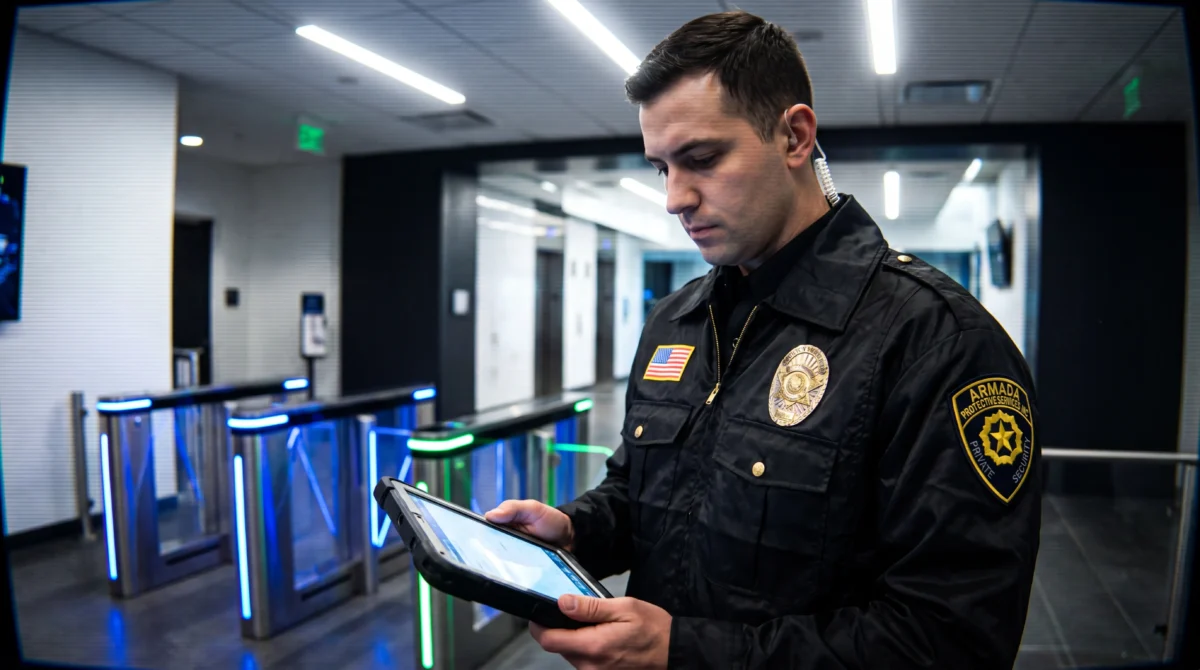
Data center physical security is the set of physical steps and systems used to protect data storage sites from physical threats. For Northern California firms, these controls help protect uptime, guard intellectual property, and support compliance across your physical tech systems.
Strong data center physical security starts with matching coverage to the real risks at your site, not a generic package.
The Crucial Role of Data Center Physical Security
IT systems depend on digital firewalls to block virtual attacks. But digital tools cannot stop a person from reaching servers, cables, or power gear. For this reason, data center physical security is the base layer for your critical site.
If an unauthorized person gets into a server rack, they can get around many digital defenses. They can also plug in rogue devices or damage hardware. As a result, your organization faces data loss, downtime, and large costs.
Because of these risks, facility directors must put clear security plans in place. These plans protect your physical assets, cooling systems, and power grids from outside and inside threats. They also help build trust with clients and partners.
Implementing a Five-Layer Defense Strategy
To secure a site well, use a layered plan. Each layer creates a new step for intruders to face. If one layer fails, the next one helps stop the threat.
- Layer 1: Perimeter Security. First, the perimeter is your outer defense. This layer includes fencing, vehicle barriers, and outside lights. In addition, gate control limits access to the property grounds.
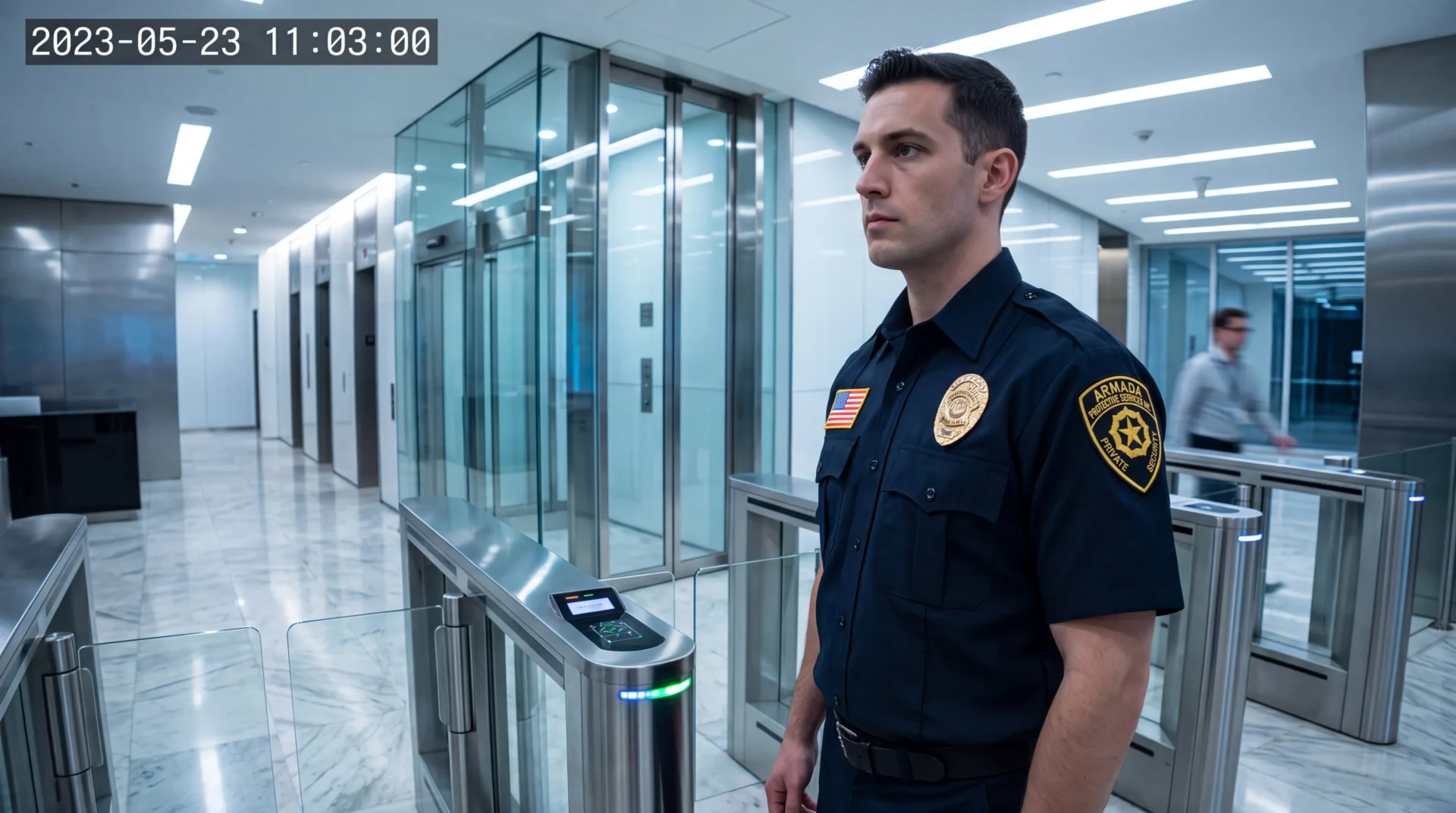
- Layer 2: Building Entry. Second, the building entry point is the next layer. Here, security staff check visitor credentials and watch the main entrances. Because of this step, unauthorized visitors cannot enter the lobby or admin areas.
- Layer 3: Inner Facility Controls. Third, inner facility control is the middle layer. This area uses biometric scanners, keycards, and mantraps to limit movement. As a result, only approved staff can reach the halls that lead to server rooms.
- Layer 4: Server Room Floor. Fourth, the server room floor needs the highest level of care. So you must lock each server zone and use two-factor access at entry points.
- Layer 5: System Cabinets. Fifth, the system cabinet is the final layer. For example, electronic rack locks record each open event. Thus, you gain a full audit trail of who touched each server.
Compliance Standards and Regulatory Frameworks
For established organizations, compliance is a business need. Federal and global rules call for strict physical security controls in data centers.
For example, the Federal Information Security Modernization Act (FISMA) requires federal data to stay in highly secure sites. To learn more about these federal standards, you can review the National Institute of Standards and Technology (NIST) guidelines.
In addition, the Payment Card Industry Data Security Standard (PCI DSS) applies to any site that stores credit card data. This standard calls for physical access controls and steady video watch. Because failure to comply can lead to heavy fines, you must make sure your security program meets these rules.
Furthermore, Health Insurance Portability and Accountability Act (HIPAA) rules protect patient health data. Therefore, healthcare data sites must show written proof of physical access watch.
We know that managing these compliance demands is complex. Still, clear, professional security steps help your site pass audits with less risk.
Integrating Human Patrols with Surveillance Systems
Technology alone cannot secure a high-risk site. Instead, you need to pair surveillance tools with trained, on-site staff.
For instance, high-definition cameras watch blind spots and fence lines. Yet a camera can only record an incident. It cannot physically stop a trespasser. Therefore, active foot patrols are key when alarms need a fast response.
In addition, security officers review entry logs and equipment locks on a set basis. Because officers are on site, they can quickly spot hazards like propped doors or broken locks.
Next, trained staff manage visitor control programs. They check government ID and issue temporary badges. As a result, your site keeps a clean record of all site traffic.
If you operate critical sites in Northern California, you need a partner who understands these needs. For specialized support, explore our commercial and [corporate security services](https://armadasecurity.com/commercial-corporate-security/tech-companies-data-centers/) designed for tech hubs.
Choosing the right data center physical security in San Francisco comes down to a licensed provider, clear post orders, and reporting your team can actually audit.
Frequently Asked Questions
What should a Bay Area data center ask before hiring a physical security provider?
Start with license, scope, and fit. Armada Security is licensed by the State of California under PPO 120526, and we serve commercial and institutional sites only, including data centers tied to property managers, operators, or corporate security leads. Ask how the team handles access control, visitor checks, patrol routes, and incident notes, and make sure the plan matches your site rules and compliance needs.
How do we know the guard plan is strong enough for a data center without overpaying for unused coverage?
The right plan starts with risk, not headcount. Look at your entry points, loading areas, after-hours activity, vendor traffic, and any spaces where access must be tightly controlled. A sound provider should help you match coverage to those weak points, so you pay for the controls you need and not for broad coverage that adds little value.
What happens if there is an access breach, alarm issue, or after-hours incident at our facility?
You want a clear chain of action before trouble starts. Ask how the team verifies the issue, secures the scene, records the event, and notifies your site lead or monitoring contact. For a Bay Area data center, the best answer is one that is calm, written, and tied to your site rules, so staff know what to do fast and your records stay clean.
Can Armada Security support a multi-site property portfolio in San Francisco and the South Bay?
Yes. We serve 12 cities across San Francisco, the Peninsula, and San Jose, including San Francisco, San Jose, San Mateo, Daly City, South San Francisco, Hillsborough, Sausalito, Burlingame, Colma, San Bruno, Brisbane, and Millbrae. That range helps if your facilities team needs one commercial security partner across several sites with the same standards and reporting style.
What should our board or operations team verify to reduce liability at a data center?
Check three things: state licensing, site rules, and record keeping. Make sure the provider is licensed, uses a clear post order for your site, and keeps clean logs of access, patrols, and incidents. Also confirm the service is B2B commercial only, since Armada Security does not serve single-family homeowners and does not offer consumer home security products.
Related reading
- Mobile Patrol San Francisco
- Why Randomized Security Patrols Deter Crime
- Proactive Security Audits in San Francisco: Physical Security 2025
