
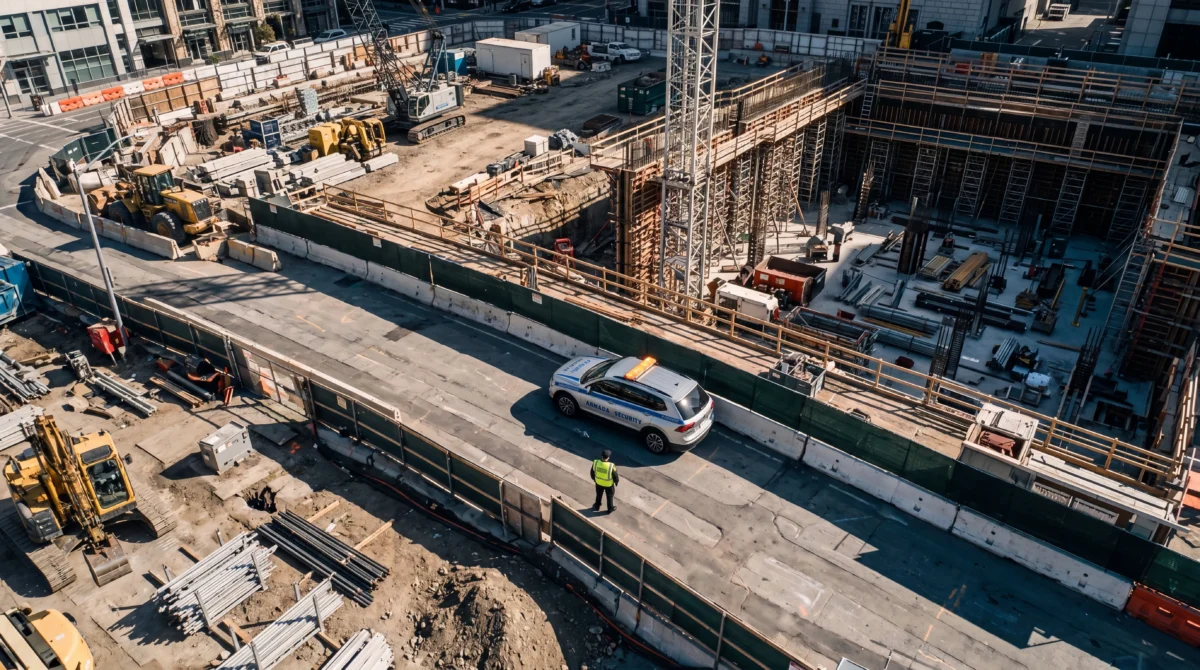
What Is Fire Watch? San Francisco Property Guide | Armada Security
However, what is fire watch, and when does your San Francisco property need it? Simply put, fire watch is a continuous, documented patrol by trained officers. It occurs when a building’s automatic fire detection or suppression systems are offline.
Therefore, as a trusted local security provider, Armada Security deploys certified officers across the Bay Area. We operate 24 hours a day for planned maintenance and emergency system failures. We are a top-rated, locally owned security agency. Our team has served San Francisco for over 32 years. We secure commercial properties with BSIS-licensed guards who undergo strict screening.
In addition, we work with established property managers, facility directors, and corporate security leads. Our services are built for B2B clients. These include multi-family housing, warehouses, and commercial venues. We do not serve individual homeowners or offer DIY products. Instead, we focus on reliable, contract-based security partnerships near your business.
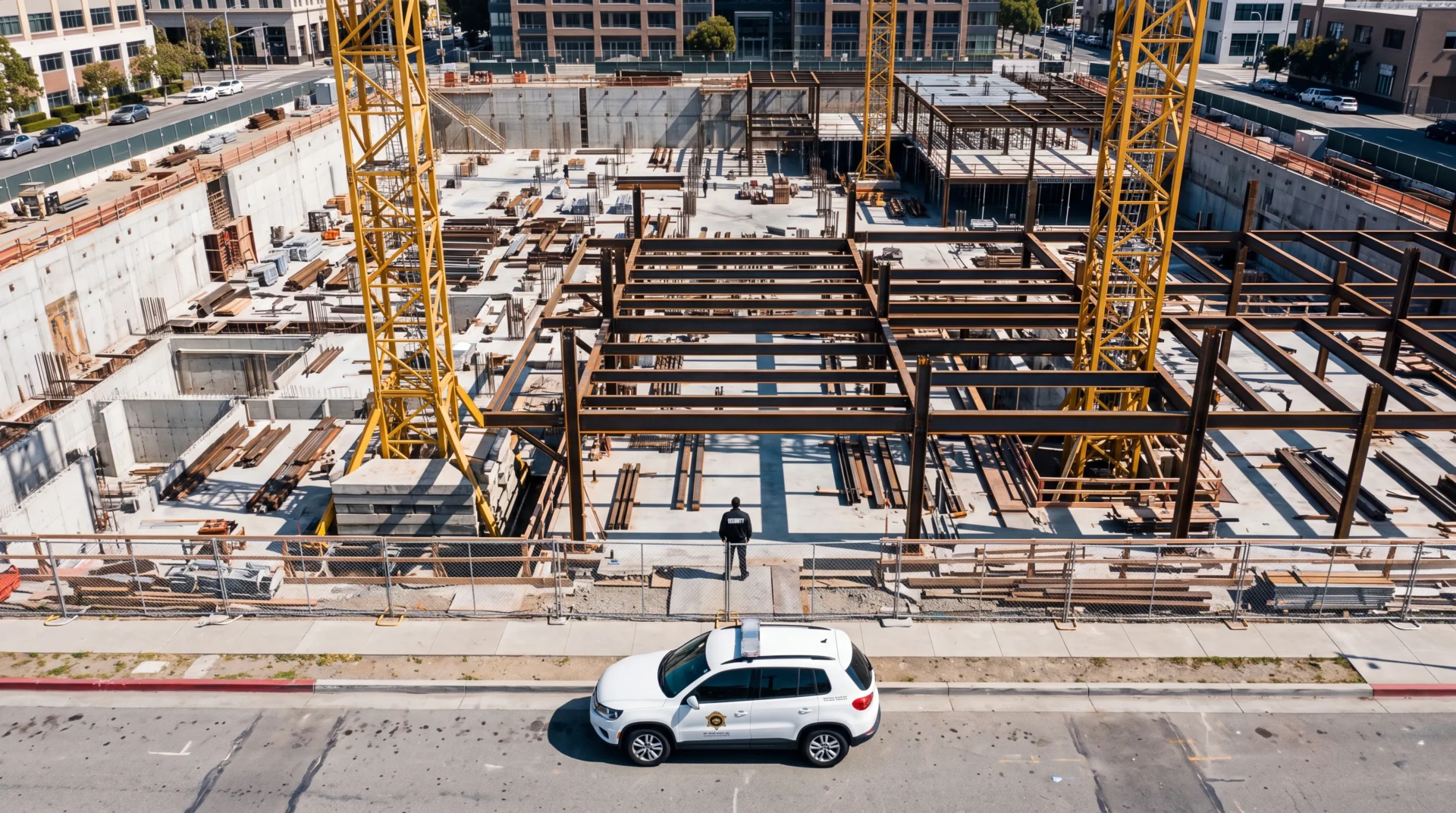
What Is Fire Watch — The Legal Requirement
For example, under California and San Francisco law, the rules are clear. The San Francisco Fire Department (SFFD) enforces strict fire codes. These rules follow the California Fire Code and NFPA standards. When a fire protection system fails, you must restore it immediately. If you cannot, you must start a fire watch within one hour.
Moreover, failure to act leads to SFFD enforcement and occupancy limits. Your business also faces major liability. SFFD inspectors regularly check on-site logs. The logs must be complete, accurate, and timed. They must cover all areas of your building.
As a result, our team ensures your site remains compliant. We provide fully insured officers who understand local code details. We maintain close coordination with the SFPD and SFFD during active deployments. This professional coordination protects your assets and keeps your building open.
When Does Your San Francisco Building Need Fire Watch?
Additionally, when does your property near your business need this service? Many property managers ask when a building requires these services. To understand what is fire watch compliance, we must look at system failures. San Francisco commercial properties require fire watch when systems are impaired. This requirement applies to:
- Sprinkler system shutdown for repairs, testing, or upgrades.
- Fire alarm outage during panel work or equipment failures.
- Kitchen suppression system maintenance at commercial venues.
- Power failures that disable local fire detection equipment.
- Construction phases before fire systems are fully active.
- Hot work operations near sensitive materials.
Furthermore, this requirement applies to both planned maintenance and unexpected failures. Our contract clients enjoy peace of mind knowing we are ready to deploy at any hour.
What Do Fire Watch Officers Do?
Meanwhile, armada Security fire watch officers perform documented patrols that fulfill SFFD requirements. Our professional duties include:
- Continuous rounds of all floors and high-risk areas every 30 minutes.
- Monitoring for smoke, heat signatures, or burning odors.
- Checking hot work areas for hazards after tasks end.
- Keeping detailed, written logs with exact patrol times.
- Calling 911 and SFFD immediately if a fire is detected.
- Assisting with building evacuation if an emergency occurs.
In fact, every patrol log is kept on-site. They are always ready for SFFD inspection. Our officers carry professional training certifications to ensure exact compliance.
What Is Fire Watch for Hot Work Operations?
However, hot work includes welding, cutting, or grinding. These tasks create heat, sparks, and open flames. The California Fire Code requires a fire watch officer during all hot work.
Therefore, the officer must remain on-site for at least 60 minutes after the work stops. Many fires start hours after the heat source is gone. Materials can smolder slowly before igniting. This careful monitoring protects your building from sudden disasters. Our team provides this service for commercial construction sites and industrial facilities. We help you meet OSHA safety standards on every shift.
Fire Watch vs. Standard Security Guards
In addition, not every guard is qualified to conduct fire watch. To understand what is fire watch coverage versus general patrol, look at the specialized training. Our officers receive specialized training for these high-stakes roles.
For example, they learn SFFD documentation rules and fire behavior. They know how to spot early signs of smoke and heat. They also train in fire extinguisher use and emergency alarms.
Moreover, our BSIS-licensed guards undergo strict screening and background checks. We back our team with comprehensive liability insurance. A standard security guard without this training may not satisfy SFFD inspectors. Choose an experienced team to protect your investments.
How Long Does Fire Watch Last?
As a result, fire watch must continue for the entire duration of the system impairment. A simple repair may take a few hours. A major system upgrade can take weeks.
Additionally, we support your business with reliable, contract-based security. We do not offer one-off, uncontracted guard services. Our focus is long-term protection for commercial clients. We ensure your site has complete coverage until your systems are fully certified and online.
Coverage Areas in San Francisco
Furthermore, we provide dedicated security services across the city. Our service areas include these key San Francisco neighborhoods:
- SoMa
- Mission District
- Financial District
- Marina
- Bayview
- Dogpatch
Meanwhile, we are a trusted local security provider near your business. Our team coordinates closely with local emergency services. We protect offices, warehouses, and multi-family communities citywide.
Trusted Resources for San Francisco Security
For example, you can verify any provider’s licensing and standards through these authoritative sources. In addition, these references explain local requirements in detail:
- California Bureau of Security and Investigative Services (BSIS)
- ASIS International security standards
- U.S. Small Business Administration on business security
Frequently Asked Questions
When is fire watch required in San Francisco or the Bay Area?
Fire watch is used when a fire alarm, sprinkler, or other fire safety system is out of service, or when a local rule or permit calls for it. For property managers and site leads, the key issue is whether your building still has a safe way to spot and report fire risk while repairs are underway. We work with B2B sites across San Francisco, the Peninsula, and San Jose, so we know the pace of local compliance work.
What drives the cost of fire watch services?
Cost is shaped by site size, shift length, number of entry points, and how much active patrol is needed. A larger or more complex site usually takes more post coverage and more log work, which raises the price. The fastest way to control cost is to define the risk area clearly and start service before the gap in coverage grows.
How fast can fire watch start after a system failure or shutoff?
Start time depends on your site access, the scope of the outage, and the local need for proof of coverage. In urgent cases, we focus on getting a qualified post in place fast so your team can show an active response while repairs move forward. For Bay Area sites, speed matters because delayed coverage can raise compliance and liability risk.
What compliance records should our team expect from fire watch?
You should expect clear patrol logs, time stamps, site notes, and a record of who was on post. Those records matter for your file, your insurer, and any review by local fire officials. Our team is licensed by the State of California under BSIS PPO 120526, which supports the level of accountability B2B sites need.
What goes wrong when fire watch is handled poorly?
The most common problems are missed patrols, weak logs, and slow notice when a hazard appears. That can leave your building exposed during a system outage and create more risk for tenants, staff, and your own operations team. Poor coverage can also make it harder to show that your site took the issue seriously and acted fast.
Related reading
- Restaurant Bar Security San Francisco
- Fire Watch Services San Francisco: What You Need to Know
- Parking Security San Francisco
