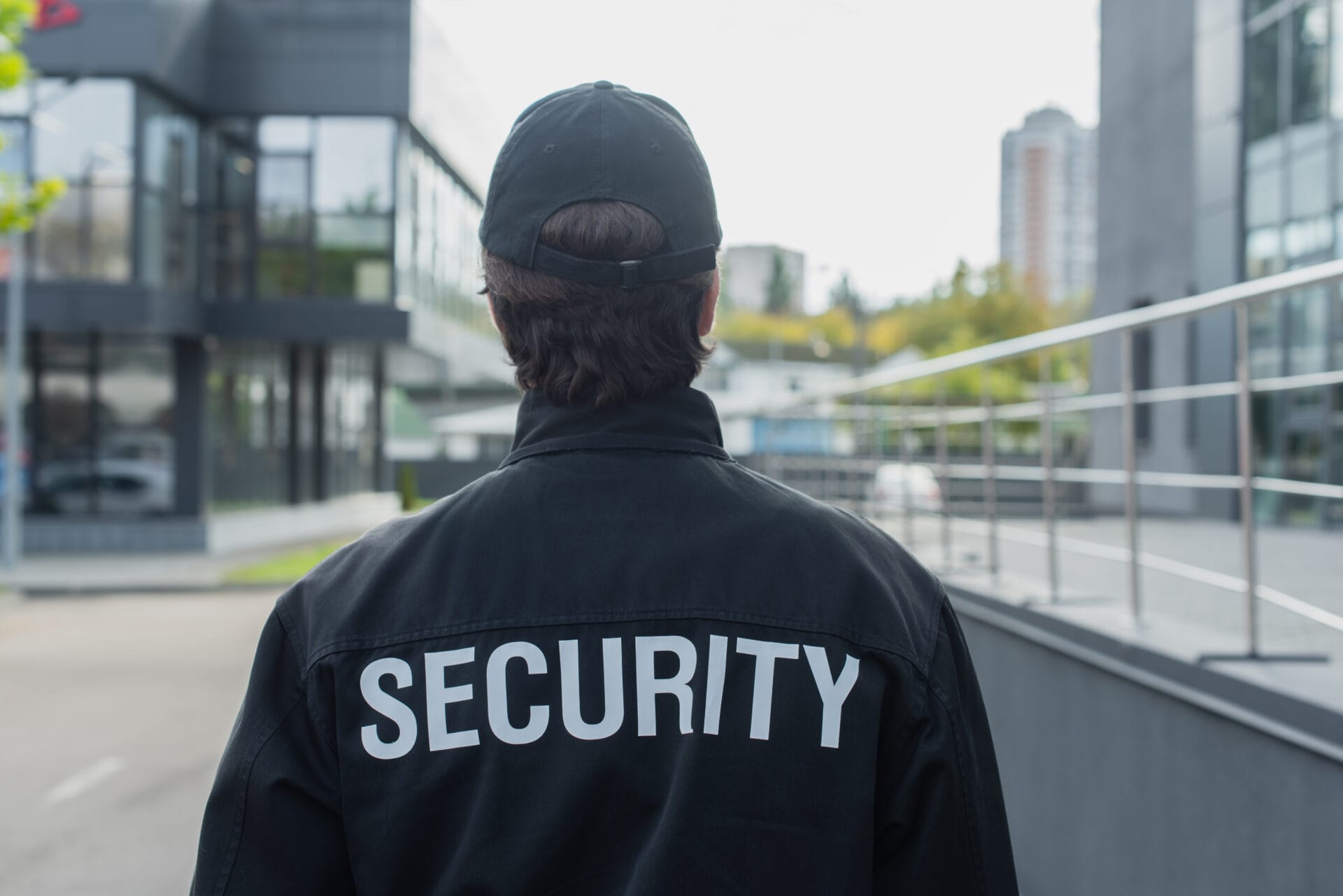
Reliable Guards & Mobile Patrols in San Francisco — Professional Security Solutions for Businesses and Properties
San Francisco’s mix of dense neighborhoods, high-traffic corridors, and diverse property types creates security challenges that call for dependable on-site guards and coordinated patrols. With more people, mixed-use developments, and large public gatherings, the risk of theft, vandalism, and unauthorized access rises — so property managers and business owners need security that deters incidents, speeds response, and leaves a clear paper trail. This guide explains how professional security guard services and mobile patrols work, how licensing and modern tools increase reliability, and how tailored programs lower risk for corporate, residential, industrial, and public properties across the Bay Area. You’ll learn how to compare guard categories, evaluate patrol technology like GPS logging and drone surveillance, and decide when to add event or fire-watch coverage. Practical checklists, comparison charts, and straightforward FAQs will help managers choose the right blend of fixed and mobile security for their location and risk profile, with an emphasis on operational outcomes and local context so security investments are transparent and justifiable.
Armada Protective Services operates throughout San Francisco and the Bay Area and provides the on-site and mobile services described here. Armada’s offerings include armed and unarmed officers, role-specific teams, and fire-watch coverage, while their patrol units use GPS-logged routes and a digital operations platform for near real-time reporting. Referencing Armada connects these practical recommendations to a local provider without turning this guide into an advert; the rest of this piece remains focused on industry best practices, technology benefits, and the decision criteria property managers should use when evaluating any professional security partner.
What Are Reliable Security Guard Services in San Francisco?
Reliable security guard services combine trained people, documented procedures, and consistent reporting to deter crime, identify incidents early, and coordinate response. A dependable guard program spells out officer duties (access control, patrols, incident reporting), ties into alarm and camera systems, and produces evidence-ready reports that protect assets and legal interests. For San Francisco operations, reliable guards lower liability, keep customers and staff safe, and bring neighborhood-specific awareness that improves patrol results. Below are the common service categories and the practical outcomes each delivers so you can match services to your site’s risk and layout.
Security guard service types and typical benefits:
- Armed Security Officers: Higher-level protection and immediate deterrence for high-risk facilities or cash-handling operations.
- Unarmed Security Guards: Visible presence, access control, and customer-facing security for retail, office buildings, and HOAs.
- Specialized Guards: Trained for technical duties such as access-control enforcement, crowd management, or sensitive-site escorts.
- Fire Watch Security: Continuous observation and prompt notification during fire-system outages or high-risk activities.
The table below compares these service types, their core attributes, and the typical benefits so you can map needs to service options quickly.
| Service Type | Key Attributes | Typical Benefit |
|---|---|---|
| Armed Security Officers | Licensed to carry, trained in tactical protocols and close-protection procedures | Stronger deterrence and rapid armed response for elevated-risk scenarios |
| Unarmed Security Guards | Customer-facing, focused on access control and routine patrols | Visible prevention and smoother daily operations at commercial and residential sites |
| Specialized Guards | Role-specific training and technical competencies | Focused protection for sensitive operations and regulated facilities |
| Fire Watch Security | Continuous observation and emergency notification protocols | Regulatory compliance during system outages and lower fire exposure risk |
This comparison shows how each guard category addresses different threats and compliance needs. Start with a site risk assessment to identify assets, access points, and likely incident types before setting staffing levels and shift patterns.
What Types of Security Guards Does Armada Provide?
Armada offers the guard types outlined above: armed and unarmed officers, specialized teams, and fire-watch personnel, each organized around clear operational guidelines. Armed officers are deployed at higher-risk locations, unarmed guards provide visible security for retail and HOA sites, and specialized teams serve events or technical escort duties. Armada’s staffing examples illustrate how a vendor structures services to meet property-specific requirements. When comparing bids, ask providers for role descriptions and expected on-site outcomes to align scope with contract deliverables.
When you request proposals, ask for role-specific duties, escalation protocols, and sample incident reports. Those details ensure listed service types translate into consistent on-site practices and measurable performance against agreed metrics.
How Do BSIS Certifications Ensure Professional Guard Quality?
BSIS (Bureau of Security and Investigative Services) certification is California’s licensing framework that sets baseline requirements for security officers, including mandatory training, background screening, and registration. BSIS-licensed officers complete required coursework, clear background checks, and follow state rules that reduce client liability and support professional conduct. For property managers, hiring BSIS-certified guards means supervisors and officers meet documented competency thresholds and the company follows regulatory best practices. Certification also simplifies vendor due diligence and supports insurance and compliance needs for regulated facilities.
Confirming BSIS registration, ongoing training records, and supervisor qualifications gives objective proof that a vendor’s personnel meet state standards and local operational expectations.
How Do Mobile Patrol Services Enhance Property Safety in the Bay Area?
Mobile patrols extend coverage across larger sites or multiple properties with scheduled and randomized routes that boost visible deterrence and shorten response times. Patrol units — on foot or in vehicles — combine presence with inspections, alarm response, and community interaction to reduce recurring incidents. Technology integrations like GPS tracking, dashcams, and drone reconnaissance add transparency and produce timestamped evidence for investigations. Together, these layers form an auditable trail of activity managers can use to evaluate provider performance.
Below is a concise mapping of patrol types, common tools, and the tangible value each provides.
| Patrol Type | Technology/Tool | Value Delivered |
|---|---|---|
| On-foot Patrols | Incident-reporting app, access checks | Close interaction, detailed inspections, and community reassurance |
| Vehicle Patrols | GPS tracking, dashcams | Wider area coverage, faster response, and visible deterrence |
| Randomized Patrols | Variable routing, timestamped checkpoints | Unpredictability that reduces pattern exploitation |
| Drone-Assisted Patrols | Thermal cameras, aerial footage | Extended sightlines for large or obstructed sites, enhanced night scanning |
Matching patrol type and toolset to your property characteristics improves patrol effectiveness and the quality of evidence captured. The next section contrasts on-foot and vehicle patrol strengths for different site types.
What Are the Differences Between On-Foot and Vehicle Patrols?
On-foot patrols work best where human interaction and detailed inspection matter — HOAs, retail centers, and campuses. Foot officers can enter buildings, engage residents, and spot subtle signs of tampering that a vehicle might miss. Vehicle patrols cover larger or dispersed assets faster, offer stronger deterrence for industrial yards, and can respond quickly to alarms across multiple sites. Vehicles also carry more equipment and integrate dashcam footage into incident records to support follow-up and insurance claims.
Choose based on property density, incident history, and response priorities. Many managers use a mixed approach to layer protection effectively.
How Does GPS Tracking and Drone Surveillance Improve Patrol Reliability?
GPS tracking, timestamped logs, and aerial surveillance create objective records that confirm patrol presence, route adherence, and response timing — improving accountability and simplifying audits. GPS-logged units provide route maps and checkpoints that prove contract compliance, while dashcam and drone footage capture incident context. Drone thermal cameras, especially, boost night detection on construction sites or large yards by revealing heat signatures invisible to the naked eye.
These technologies reduce disputes over patrol frequency and generate forensic-quality documentation for investigations and insurer inquiries, increasing trust between managers and their security provider.
Why Is Event Security Essential for San Francisco Businesses and Public Venues?
Event security protects attendees, assets, and reputations by controlling crowd flow, preventing unauthorized entry, and enabling coordinated emergency response. Events concentrate risks — crowd surges, medical issues, and opportunistic theft — and require trained teams, clear communications, and pre-event planning to manage. Professional event security assesses layouts, sets staffing ratios, and applies access controls that comply with local rules and EMS/police coordination. For San Francisco venues and businesses, good event security keeps operations running, lowers liability, and safeguards public safety while allowing events to succeed.
Event security benefits are immediate and measurable:
- Crowd Control: Manages entry and movement to prevent surges.
- Emergency Response: Coordinates rapidly with EMS and law enforcement.
- Liability Reduction: Documented procedures and trained staff limit legal exposure.
The following subsections describe how teams manage crowd control and which events need specialized approaches.
How Does Armada Manage Crowd Control and Emergency Response at Events?
Armada’s event playbook — representative of industry practice — centers on trained staff, staffing plans sized to the venue, and coordination with local emergency services for predictable escalation paths. Teams use access screening, perimeter control, and clear emergency routes to move attendees safely and reduce bottlenecks. Armada’s model includes real-time reporting in a digital operations system and liaison procedures with first responders to shorten resolution times. These steps make crowd management proactive and ensure incidents are documented and escalated correctly.
Pre-event site walks, a defined chain of command, and timestamped incident logs help organizers and venue managers evaluate performance and refine plans between events.
What Types of Events Require Specialized Security Services?
Large concerts, festivals, corporate galas, public rallies, and sporting events typically need specialized security because they combine big crowds, VIPs, and multiple access points. Each event type requires tailored staffing — stronger perimeter control for outdoor festivals, discreet VIP protection for corporate functions, and stricter screening for ticketed performances. Consider venue layout, expected behavior, alcohol service, and nearby transit hubs when planning egress and emergency access.
Classify events by scale and risk to decide whether standard staffing is adequate or if you need specialist teams such as K-9 sweeps, technical access-control operators, or advanced medical triage.
What Industry-Specific Security Solutions Are Available for San Francisco Properties?
Security programs should be tailored to each industry and property type to address common threats, operational limits, and regulatory requirements. Corporate offices focus on layered access control, visitor management, and staffed receptions. Construction and industrial sites prioritize perimeter integrity, equipment protection, and after-hours patrols. Healthcare and public facilities need patient-safety protocols, controlled access to sensitive areas, and tight coordination with emergency services. Customizing services ensures resources match real risk for each property class.
- Corporate/Office: Layered access control, staffed reception, and scheduled after-hours patrols.
- Residential/HOA: Blended on-foot and vehicle checks, visitor screening, and resident communication protocols.
- Construction/Industrial: Nightly vehicle patrols, temporary fencing, and drone thermal scans for large sites.
- Public Facilities/Healthcare: Controlled entry, special-event staffing, and integrated alarm response plans.
The H3 sections that follow look more closely at HOA and construction/commercial best practices.
How Do HOA Security Guards Protect Residential Communities?
HOA security focuses on access management, routine patrols, and community relations to preserve livability and property values. Typical duties include visitor screening, gatehouse operations, perimeter checks, and timely incident reporting to property managers. Guards also serve as community liaisons, deterring nuisance behavior and giving residents a consistent safety contact. Regular incident reports and patrol logs supply HOAs with documentation that supports insurance claims and helps boards make informed security investment decisions.
Effective HOA programs combine scheduled patrols with random checks to deter opportunistic crime and keep residents confident in neighborhood safety.
What Are Best Practices for Construction Site and Commercial Property Security?
Construction and commercial properties need layered prevention: secure fencing, adequate lighting, nightly patrols, and inventory checks to cut theft and vandalism. For large or obstructed sites, drone surveillance with thermal imaging helps detect unauthorized presence after dark, while GPS-tracked patrols provide verifiable coverage. Coordinate with local authorities and maintain immediate alarm-response procedures to minimize loss and downtime. Regular risk reviews, adaptive lighting, and contractor access controls further reduce exposure.
When these measures are combined — physical controls, patrols, and technology — they form a resilient security posture for high-exposure properties.
Why Choose Armada Protective Services for Reliable Security in San Francisco?
Armada Protective Services exemplifies the capabilities property managers look for in a dependable security partner. Based in San Francisco, Armada provides on-site guards and mobile patrols across the Bay Area, including armed and unarmed officers, specialized teams, fire-watch services, alarm response, and event security staffed by BSIS-certified personnel and supported by a digital operations platform. Armada’s patrols use GPS-logged routes and dashcam/drone evidence capture to produce auditable performance records, and the company maintains around-the-clock availability with established coordination channels to local emergency services.
Key value propositions of a provider like Armada:
- Local Expertise: Deep knowledge of San Francisco neighborhoods and regulatory requirements.
- Certified Personnel: BSIS-certified guards ensure baseline competency and compliance.
- Technology-Enabled Transparency: GPS logs, digital reporting, dashcam and drone footage for accountability.
- 24/7 Rapid Response: Continuous coverage and structured escalation for incidents.
Those attributes deliver measurable outcomes — shorter resolution times, improved deterrence, and clear documentation — that make security spending defensible to stakeholders.
How Does Armada’s 30+ Years of Local Expertise Benefit Clients?
Longstanding local experience brings practical advantages: familiarity with neighborhood crime patterns, permit and regulatory processes, and established relationships with emergency responders. Armada’s decades in the Bay Area let their operational plans reflect recurring threats and efficient patrol routing. That institutional knowledge helps anticipate seasonal or event-driven risk spikes and craft mitigation strategies that reduce incident frequency. Clients gain from procedures refined by real-world conditions and from coordination channels that speed police or EMS involvement when needed.
Local tenure also helps recruit officers with regional experience and focus training on San Francisco’s unique operational demands.
What Role Does Armada’s Digital Operations System Play in Transparent Reporting?
A digital operations system captures time-stamped patrol logs, incident reports, and multimedia evidence to create an auditable activity trail for performance reviews and investigations. GPS-logged routes and dashcam or drone footage provide objective verification of patrol presence and incident context. These records support post-incident analysis, insurance claims, and compliance audits while letting managers track KPIs like response time and patrol frequency. Digital reporting turns routine security work into actionable data for continuous improvement and stakeholder updates.
Structured digital reporting builds trust between managers and their security provider and simplifies contractual accountability.
What Are Common Questions About Hiring Security Guards and Patrol Services in San Francisco?
Property managers frequently ask about pricing, legal requirements, and how to choose the right service mix; clear answers reduce procurement friction and lead to better decisions. Pricing varies by guard type, shift length, and specialization, while legal questions often focus on armed guard rules and state licensing. Use the table below for brief answers to common questions and to guide next steps during vendor evaluations.
| Question | Short Answer | Where to Learn More |
|---|---|---|
| How much do security guard services cost in San Francisco? | Costs vary by guard type and schedule; expect higher rates for armed, specialized, or 24/7 coverage. | Request a site assessment and a written estimate from providers. |
| Are armed security guards allowed in California? | Yes — when properly licensed and trained under BSIS regulations. | Verify BSIS registration and training documentation with candidates. |
| How do mobile patrols prove they completed routes? | GPS-logged patrol units and timestamped digital reports verify rounds and response times. | Ask for sample logs and reporting formats during procurement. |
These concise answers point managers to the right due-diligence steps and support structured vendor comparisons.
How Much Do Security Guard Services Cost in San Francisco?
Pricing depends on guard type, required hours, shift patterns, and site risk. Armed officers cost more because of licensing and liability; specialized teams or event staffing raise rates, and 24/7 coverage requires additional shifts and supervision. Request a site survey for an accurate proposal that reflects local conditions and deliverables. Typical procurement steps include defining scope, getting multiple bids, and evaluating sample reporting and escalation procedures rather than comparing hourly rates alone.
Consider cost drivers such as training levels, supervisor ratios, technology integrations (GPS, drones), and contractual service guarantees when comparing proposals to ensure consistent service outcomes.
Are Armed Security Guards Allowed in California?
Yes. Armed security officers are permitted in California provided they meet BSIS licensing and training requirements. Clients should verify that armed personnel and their employer maintain proper licenses, insurance, and documented training. Ensuring compliance protects both the client and the security provider and reduces legal and financial exposure associated with armed operations.
When hiring armed security, request proof of BSIS registration and confirm the provider’s controls for weapon handling, storage, and escalation protocols.
Frequently Asked Questions
What Should Property Managers Consider When Choosing a Security Service?
Evaluate your property’s specific security needs, likely threats, and required service level. Check the provider’s experience, staff qualifications, and the technology they use. Also review flexibility to scale or adapt services and the vendor’s reputation for reliability and responsiveness. Those factors together determine how well a security solution will perform day to day.
How Can Technology Enhance Security Services?
Technology improves monitoring, reporting, and response. GPS tracking, real-time incident apps, and drone surveillance make patrols more efficient and speed up evidence collection. These tools create transparent records for audits and investigations, so managers can verify performance and make data-driven adjustments.
What Are the Benefits of Hiring Specialized Security Guards?
Specialized guards bring skills targeted to a site’s needs — crowd managers for events, technical operators for access control, or escorts for sensitive materials. That focused expertise increases safety, ensures compliance with industry rules, and reduces risk in complex environments.
How Do Security Services Handle Emergency Situations?
Security teams follow established emergency protocols that include coordinating with law enforcement and EMS, conducting evacuations, and managing crowds. Regular training and drills prepare staff to respond to medical incidents, breaches, and other emergencies quickly and consistently.
What Is the Importance of Incident Reporting in Security Services?
Incident reports provide a factual record of events — essential for legal protection, insurance claims, and improving security practices. Detailed reports help managers spot patterns, make informed decisions, and use past incidents as training material for personnel.
How Can Property Managers Ensure Compliance with Security Regulations?
Stay updated on local laws and industry standards. Verify that security personnel are licensed and trained to state requirements (for example, BSIS in California), conduct regular audits, and keep open communication with providers. These steps help reduce liability and keep security programs effective.
What Role Does Community Engagement Play in Security Services?
Community engagement builds trust between security teams and the people they protect. Regular outreach with residents and local businesses helps teams understand concerns, encourages reporting of suspicious activity, and fosters cooperation that improves overall safety.
Conclusion
Investing in reliable guard and patrol services is a practical way to protect people, property, and reputation in San Francisco. Well-designed programs deter crime, improve response, and provide the documentation managers need to demonstrate value. Working with a local, BSIS-certified partner that uses modern reporting tools — like Armada Protective Services — helps ensure your security program is accountable, measurable, and suited to Bay Area conditions. Start with a site assessment to identify needs and explore tailored solutions that match your risk profile.